Positional Dizziness
Symptoms triggered by rolling in bed, looking up, bending over, or changing head position may benefit from targeted vestibular assessment and treatment.

Vestibular rehabilitation is designed to identify the movement and balance systems contributing to symptoms and create a focused plan to improve stability, confidence, and function.
Our vestibular clinicians have experience treating dizziness, balance disorders, headaches, and vestibular conditions across a range of ages.
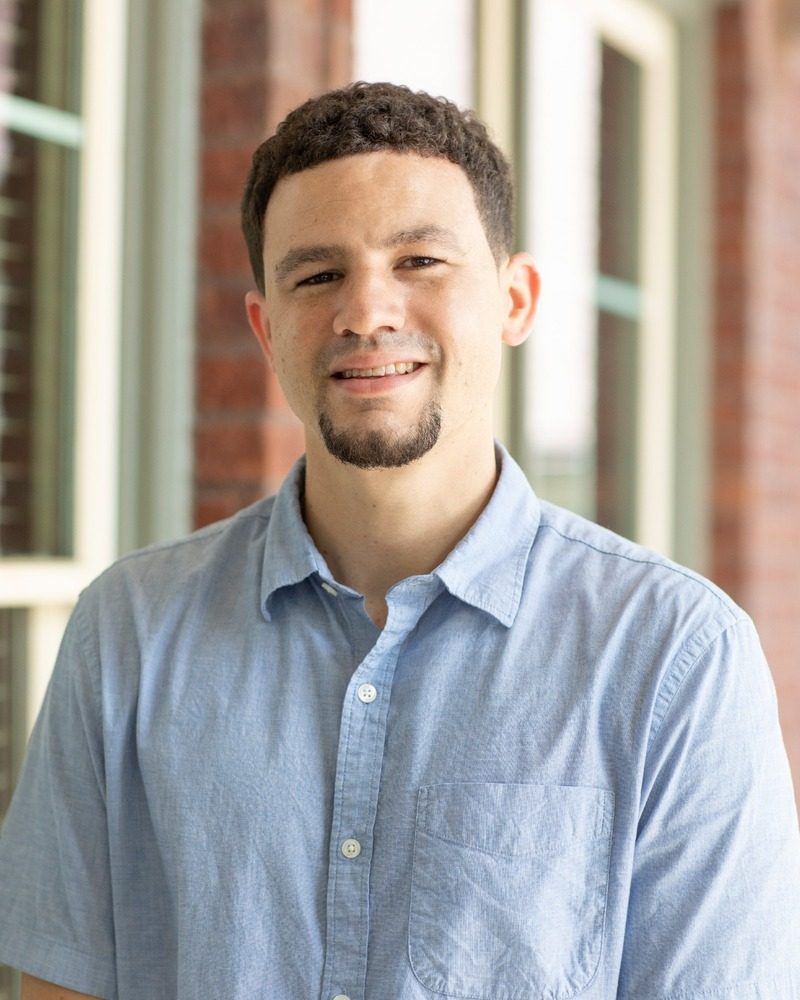 Kelvin Carter, PT, DPT, OCS
 Hannah Jones, PT, DPT
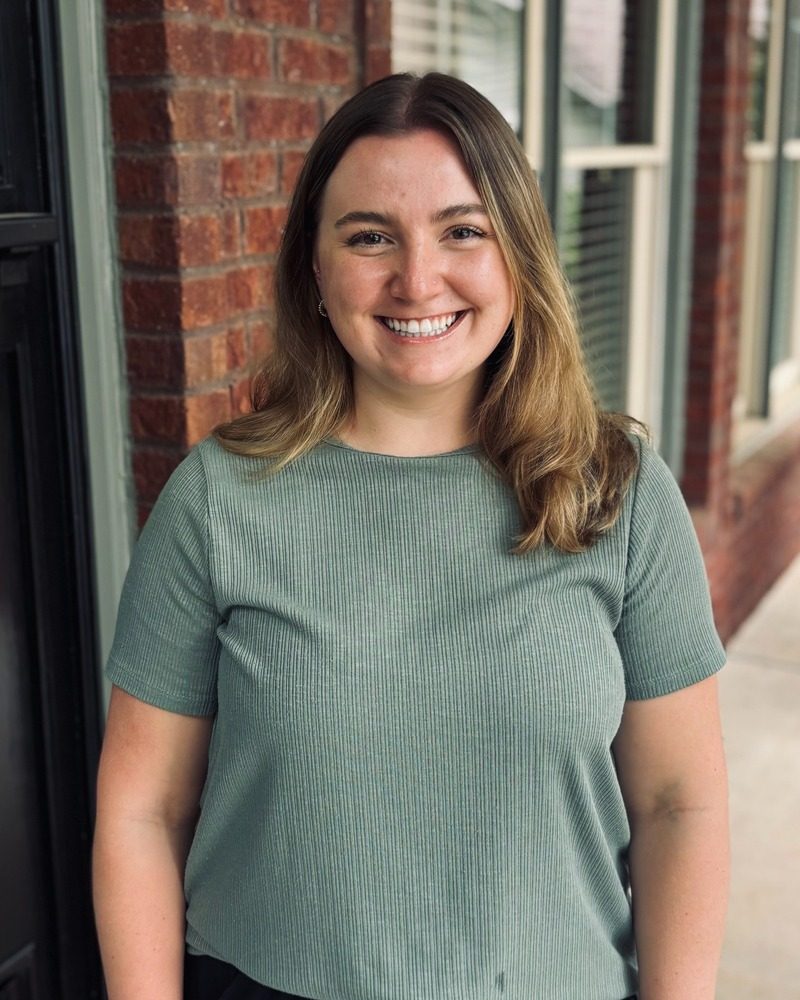 Anne “Annie” True, PT, DPT
A careful evaluation helps determine which factors may be contributing and what type of rehabilitation is appropriate.
Symptoms triggered by rolling in bed, looking up, bending over, or changing head position may benefit from targeted vestibular assessment and treatment.
Rehabilitation can address balance, walking confidence, sensory integration, and movement strategies that affect stability.
Symptoms brought on by head movement, busy visual environments, or motion can be addressed with progressive, individualized exercises.
Some patients experience dizziness and balance changes alongside headache symptoms and may benefit from a combined orthopedic and vestibular approach.
When appropriate, vestibular rehabilitation may be part of a broader recovery plan for dizziness, motion sensitivity, balance, and visual-motion symptoms after concussion.
Our clinicians also evaluate patients with other vestibular and neurological conditions affecting balance, gaze stability, and functional mobility.
Vestibular assessment is tailored to the patient’s symptoms and may look at several systems that contribute to dizziness and balance.
Dizziness is not one diagnosis. Treatment depends on the pattern of symptoms and findings from the evaluation.
Some patients may need positional treatment, while others benefit from gaze-stability exercises, balance training, motion-habituation work, strengthening, or a combination of approaches.
Vestibular rehabilitation often works by gradually challenging the systems involved in balance and motion while helping the brain adapt to movements or environments that provoke symptoms.
The plan is progressed based on symptom response, safety, function, and the activities the patient needs to return to.
Canalith repositioning when appropriate, gaze-stability exercises, balance training, walking progression, motion-habituation exercises, strengthening, cervical treatment when relevant, and a home program tailored to symptom triggers.
Vestibular care is provided by clinicians with advanced training and experience treating dizziness and balance-related conditions.
Edgewood/Candler Park • Orthopedics • Vestibular
Kelvin has extensive experience treating vestibular disorders, headaches, and acute and chronic pain in addition to his orthopedic specialty training.
Edgewood/Candler Park • Vestibular • Pediatrics • Pelvic Health
Hannah has advanced vestibular rehabilitation certification through Emory and Duke and treats vestibular patients alongside her pediatric and pelvic-health work.
Edgewood/Candler Park • Vestibular • Pediatrics
Annie received certification in advanced vestibular rehabilitation and has experience across pediatric, neurological, musculoskeletal, and acute-care patient populations.
Vestibular symptoms can make ordinary activities feel unpredictable. Rehabilitation is aimed at helping patients move more confidently through the environments and activities they need to manage every day.
Improve tolerance for getting in and out of bed, bending, turning, walking around the home, and other everyday movement.
Progress tolerance for stores, crowds, visual motion, uneven surfaces, and community mobility when these trigger symptoms.
Build toward the physical and visual demands of fitness, recreation, work, or sport based on the patient’s goals.
Our vestibular clinicians are based at Edgewood/Candler Park. If you are unsure which therapist is the best fit, our new-patient team can help route you appropriately.
1328 DeKalb Ave NE, Atlanta, GA 30307
Vestibular rehabilitation is a form of physical therapy focused on dizziness, vertigo, balance, gaze stability, motion sensitivity, and related functional problems.
Some forms of positional vertigo can respond to specific repositioning techniques. Your therapist will determine whether that type of treatment is appropriate based on the evaluation.
Some vestibular exercises intentionally create a controlled level of symptoms so the nervous system can adapt. Your therapist will adjust the intensity and progression based on your response and safety.
Our vestibular clinicians are based at the Edgewood/Candler Park clinic at 1328 DeKalb Ave NE.
Our new-patient team can help connect you with an appropriate vestibular clinician and discuss scheduling.
Select option 1 for a new-patient appointment.
Emailnewpatient@onepointpt.comPlease do not include sensitive medical information in email or website contact forms.