Restore force and capacity
Progressive strengthening helps rebuild the capacity needed for running, jumping, throwing, lifting, cutting, and repeated effort.
Sports rehabilitation at OnePoint is designed to help athletes move beyond basic recovery and prepare for the real demands of training and competition. Treatment progresses from restoring function to rebuilding strength, power, speed, and sport-specific movement.
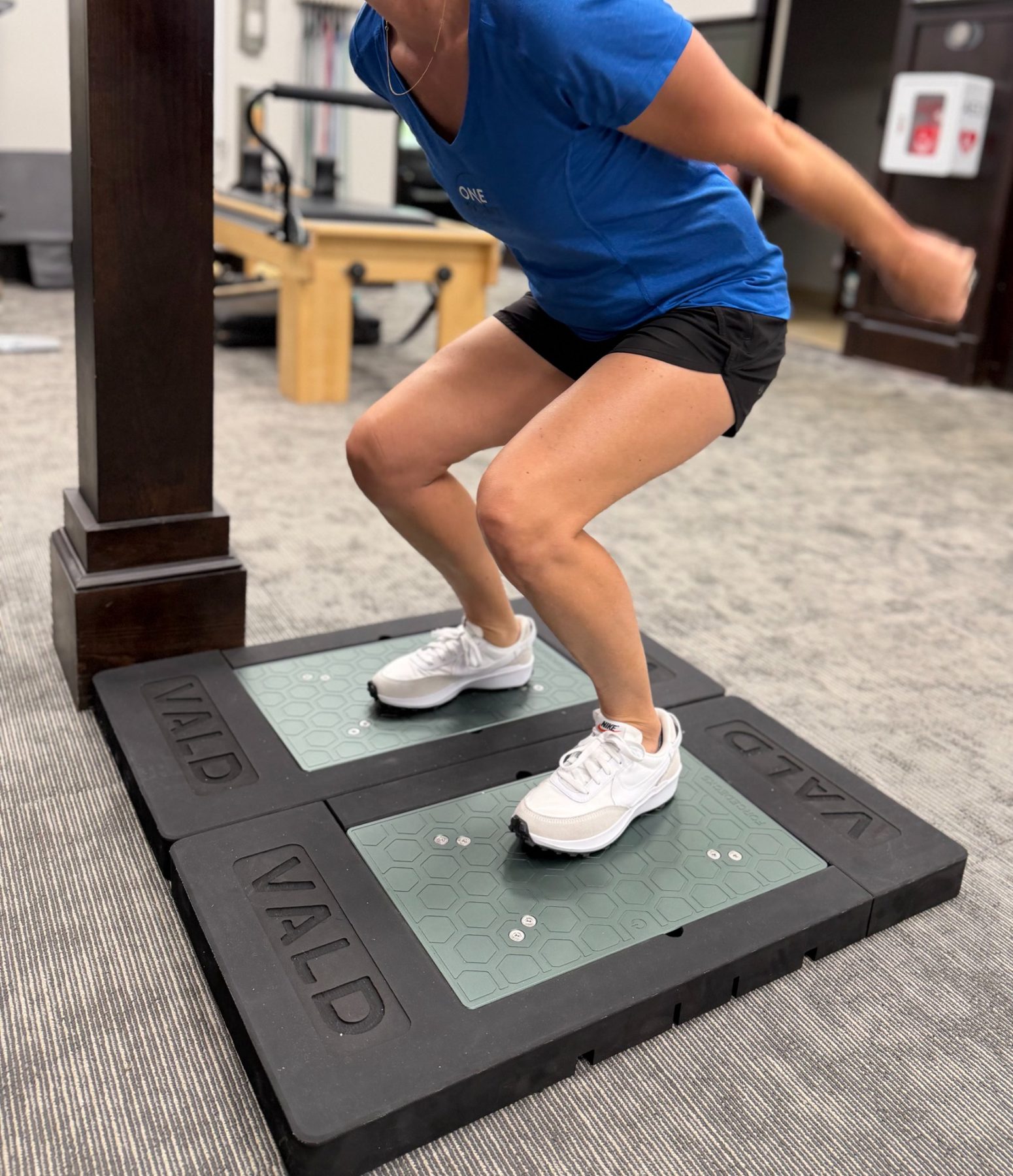
Athletes need to tolerate speed, impact, fatigue, repetition, and unpredictable movement. Our sports-rehabilitation programs are progressed around those demands instead of stopping once pain decreases or basic strength returns.
Progressive strengthening helps rebuild the capacity needed for running, jumping, throwing, lifting, cutting, and repeated effort.
Rehabilitation may address single-leg control, landing mechanics, acceleration, deceleration, and movement strategies specific to your sport.
Later-stage training brings speed, power, conditioning, and sport-specific work back into the plan before full return to play.
We work with athletes recovering from a wide range of orthopedic injuries and surgeries.
The exact progression depends on the injury, sport, competition level, healing timeline, and individual goals, but later-stage sports rehabilitation often includes the following.
Build the muscular capacity and tissue tolerance needed before higher-speed or higher-impact work.
Gradually restore running volume, speed, and tolerance while monitoring symptoms and movement quality.
Develop power, landing control, and repeated-impact tolerance through progressively demanding plyometric work.
Reintroduce the ability to create and absorb force at increasing speeds.
Progress cutting, multidirectional movement, and reactive tasks when appropriate for the athlete and sport.
Build training toward the movements, positions, workloads, and conditions the athlete will face in practice and competition.
Symptoms alone do not always show whether an athlete has fully restored strength, power, or side-to-side performance. Objective testing can help identify deficits and track meaningful changes over time.
We use testing alongside clinical judgment, movement quality, workload tolerance, and the athlete’s confidence — not as a standalone pass/fail score.
Strength, force production, side-to-side differences, jumping performance, movement quality, tolerance to repeated effort, and readiness for progressively more demanding sport-specific work.
Our clinics use advanced equipment to supplement hands-on assessment, progressive exercise, and clinical decision making.
Edgewood/Candler ParkObjective force and performance measures can help quantify deficits and monitor progress during later-stage rehabilitation.
 Edgewood/Candler Park
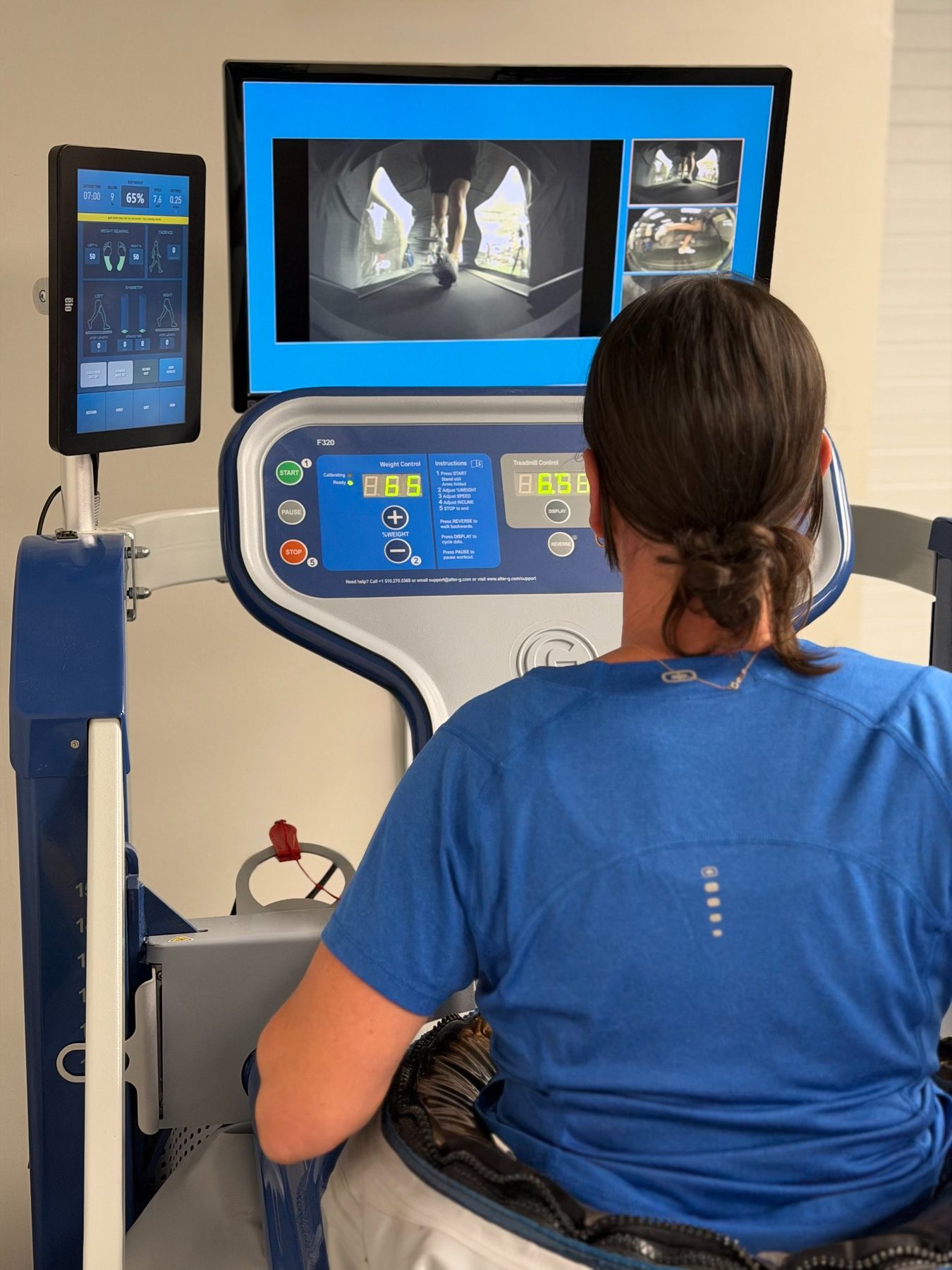
Reduced-body-weight running allows athletes to reintroduce running mechanics while controlling load during selected phases of recovery.
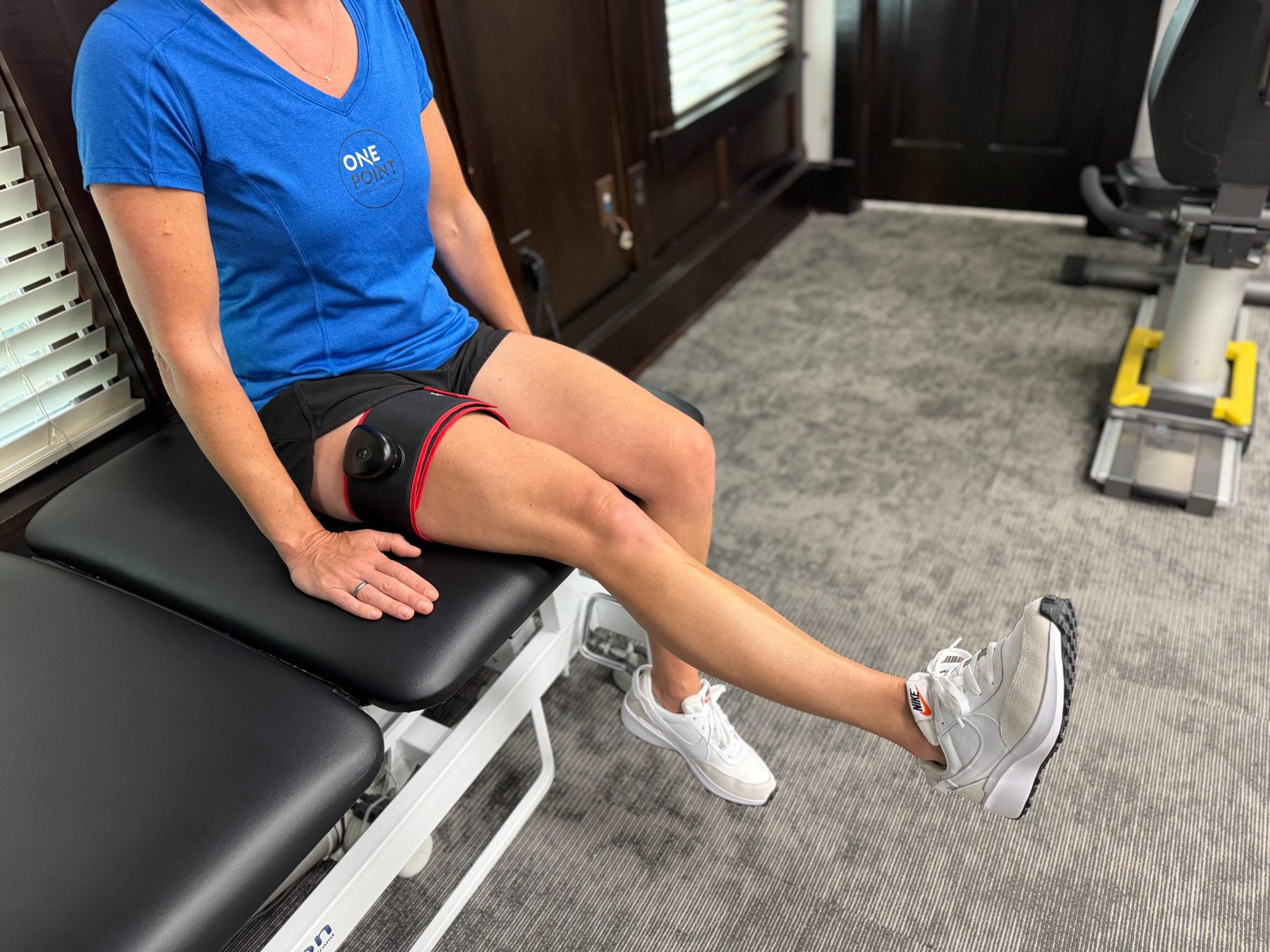
Both LocationsBFR may help support strength development with lower external loads when clinically appropriate.
Objective strength and force testing can help quantify progress and identify meaningful side-to-side differences.
Equipment matters, but the foundation remains progressive loading, movement preparation, and a rehabilitation plan that evolves with the athlete.
Our clinicians work with athletes ranging from recreational participants to youth, high-school, collegiate, and competitive adult athletes.
Rehabilitation that considers growth, skill level, sport demands, and the importance of rebuilding confidence alongside physical capacity.
Higher-level progression designed around training schedules, competitive demands, and a safe transition back to practice and competition.
For runners, lifters, cyclists, tennis and pickleball players, recreational league athletes, and anyone working toward a high level of activity.
Several OnePoint clinicians bring experience from competitive athletics, strength and conditioning, and advanced orthopedic training.
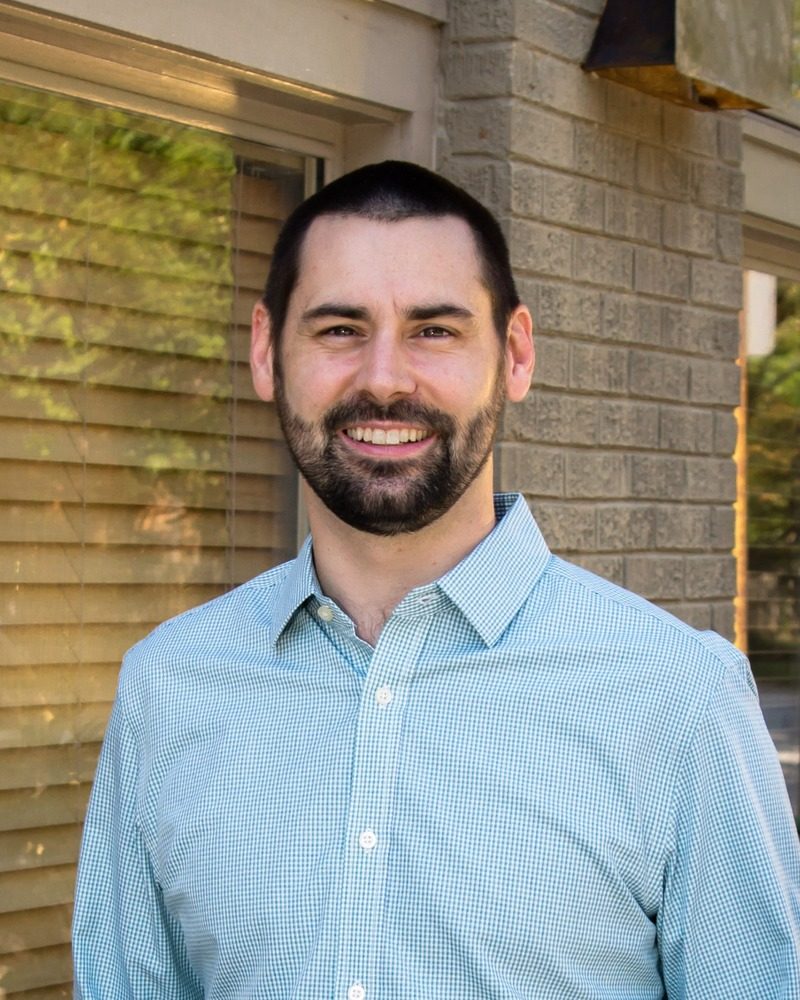
Virginia-Highland • Orthopedics • Sports Rehabilitation
Board Certified Orthopedic Clinical Specialist, Certified Strength and Conditioning Specialist, and former professional baseball player with a special interest in athletes and return to performance.
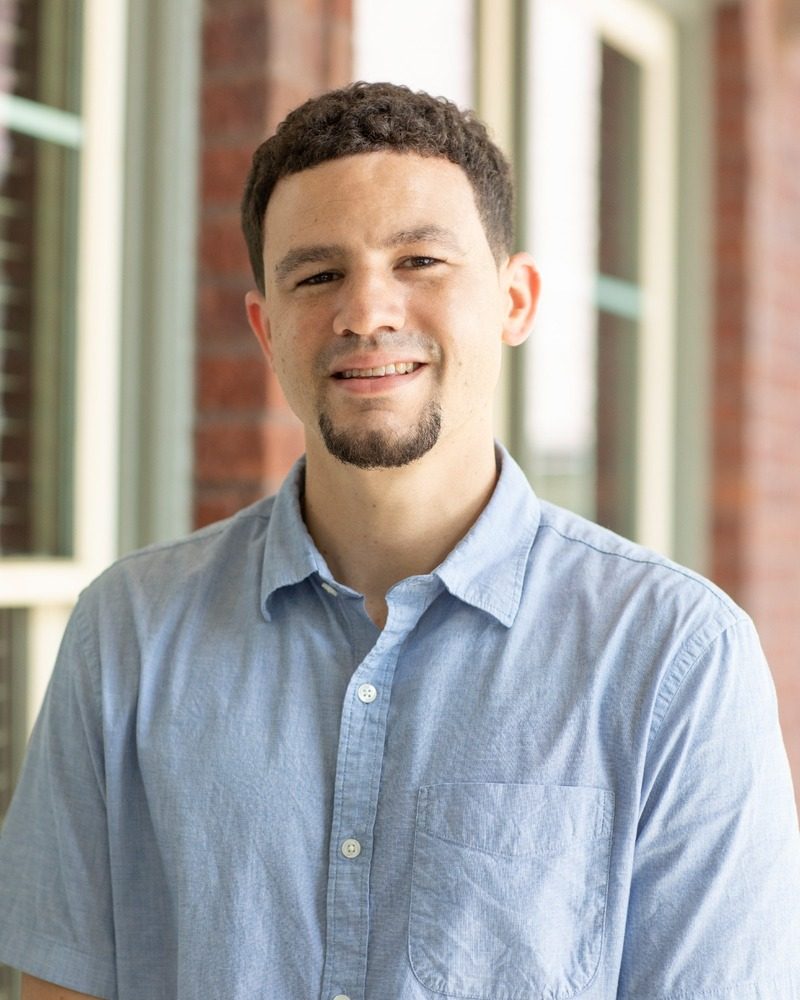
Edgewood/Candler Park • Orthopedics • Sports Rehabilitation
Board Certified Orthopedic Clinical Specialist and former collegiate basketball player with interests in sports rehabilitation and athletic performance.
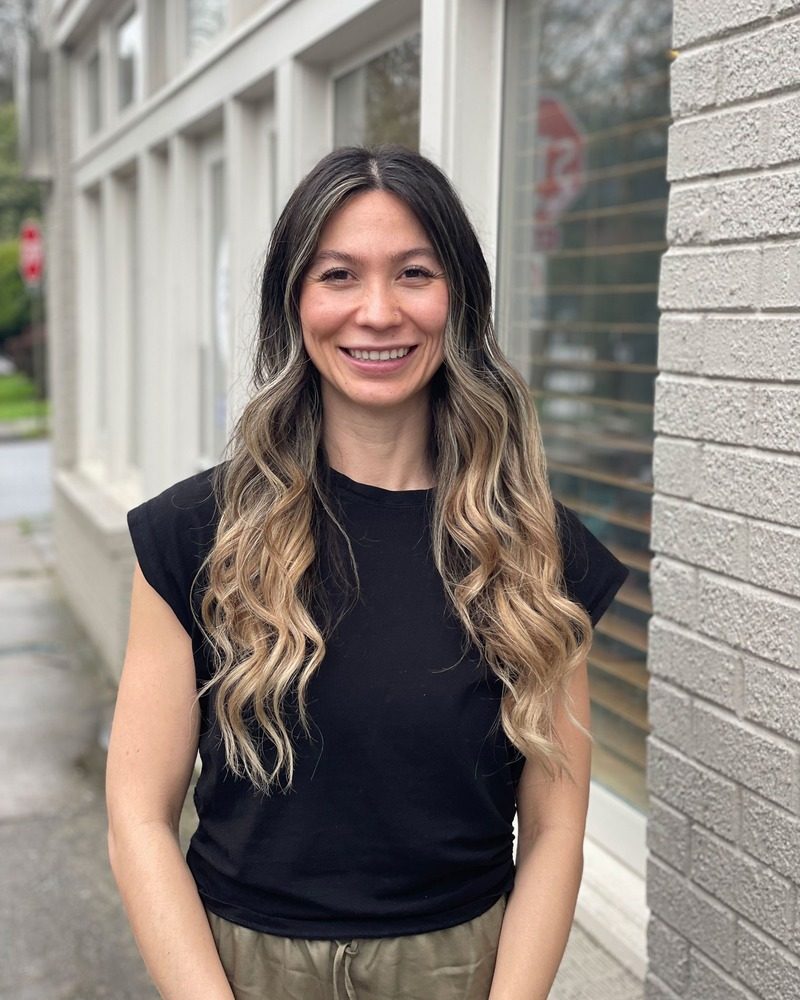
Virginia-Highland • Orthopedics • Athletic Performance
Former Division I soccer player with advanced dry needling and mobility training and a special interest in athletic performance and return to play.
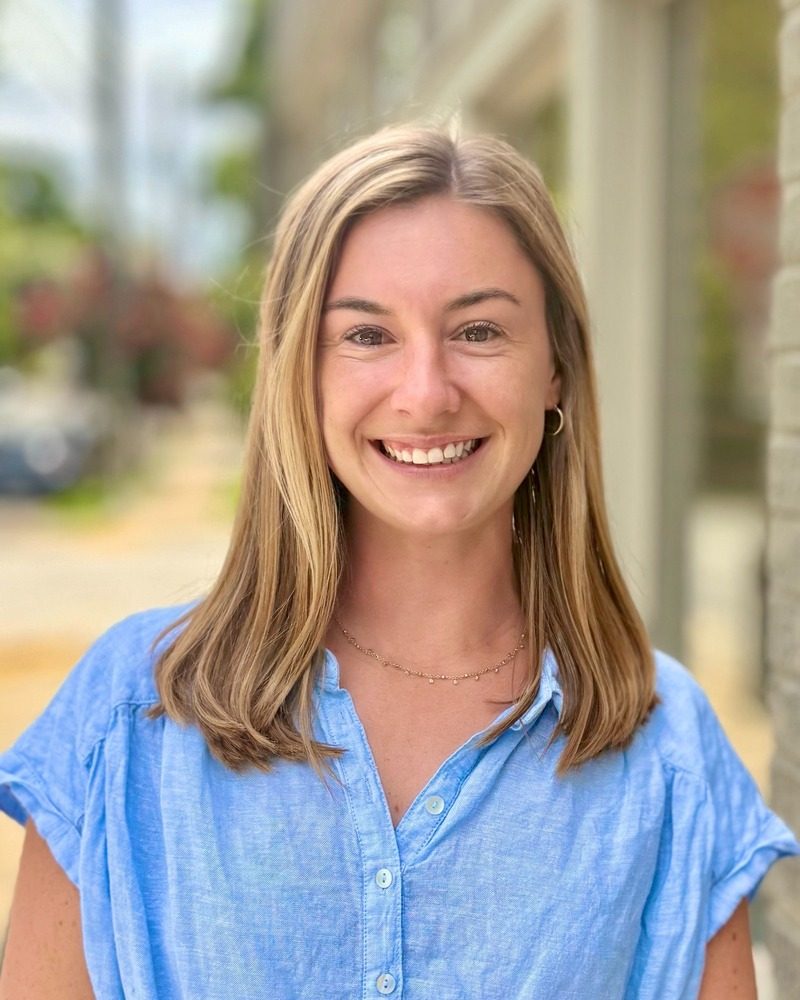
Virginia-Highland • Sports Rehabilitation • Youth Athletes
Former NCAA Division I tennis player with interests in sports rehabilitation, youth athletes, and post-surgical recovery.
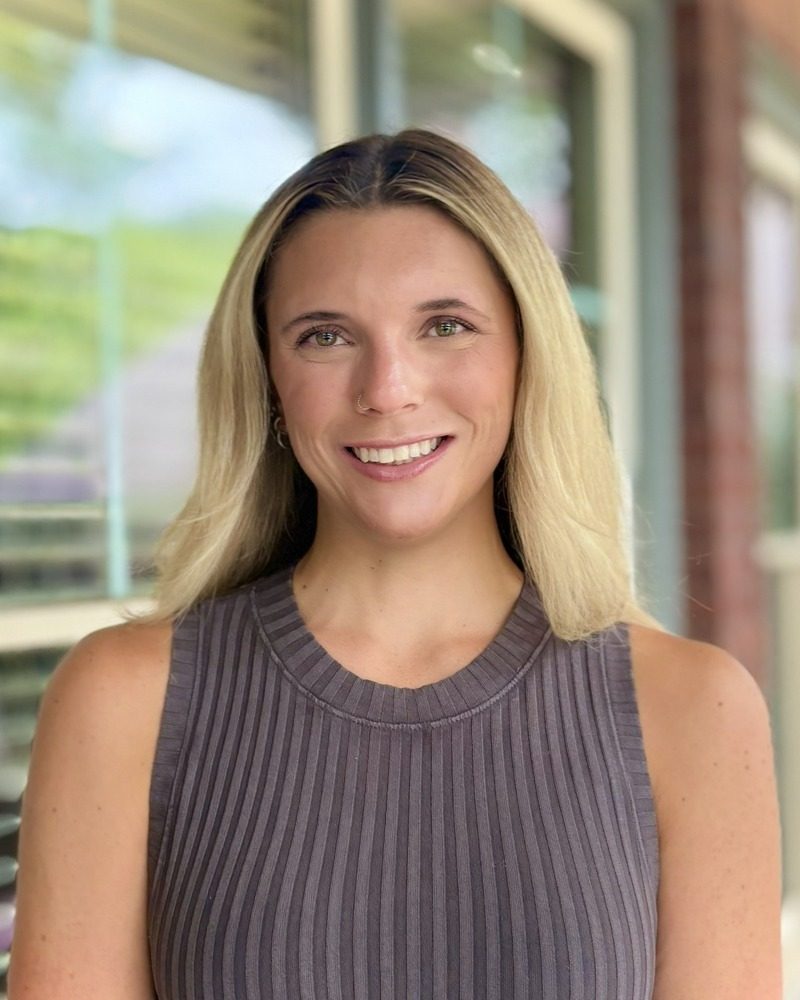
Edgewood/Candler Park • Sports Rehabilitation
Works with orthopedic patients and athletes across ages and brings a movement and performance background through dance.
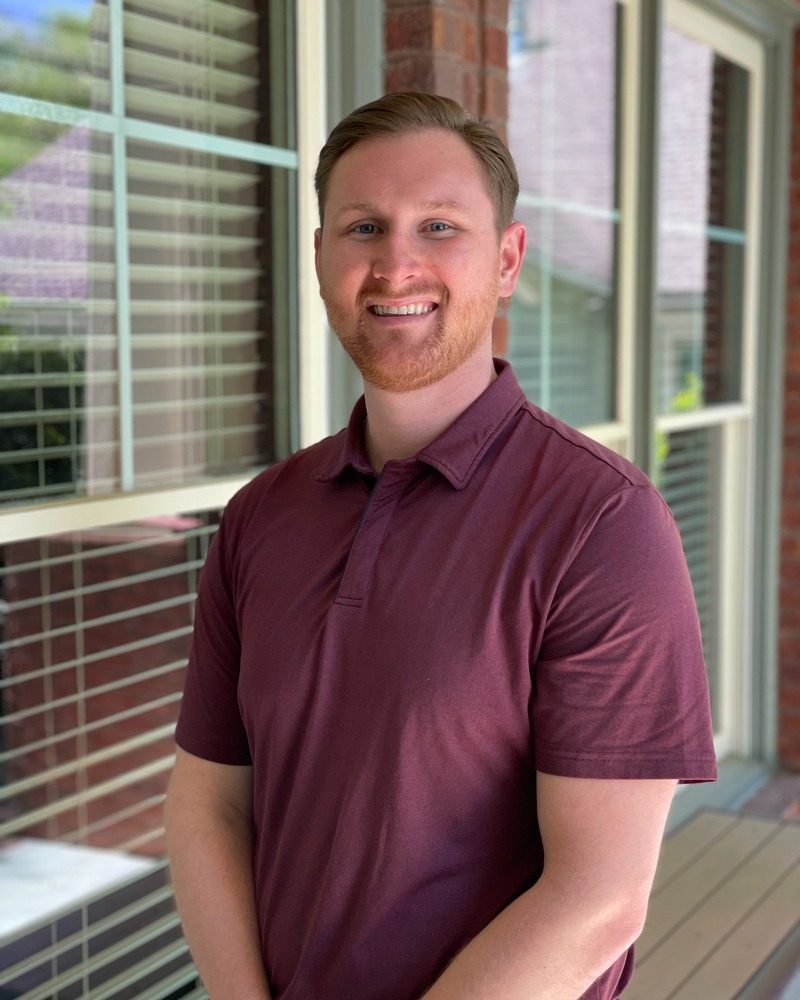
Edgewood/Candler Park • Sports Rehabilitation
Former collegiate soccer player and USA Weightlifting coach with interests in sports injuries, strength development, and rehabilitative performance.
Both locations provide orthopedic and sports rehabilitation, with some testing and technology specific to each clinic.
867 Greenwood Ave NE
1328 DeKalb Ave NE
No. Sports rehabilitation can be appropriate for recreational athletes and active adults as well as youth, high-school, collegiate, and competitive athletes.
The foundation is still physical therapy, but later stages place greater emphasis on strength, speed, power, impact tolerance, conditioning, and sport-specific demands.
Yes. When appropriate, rehabilitation can include a progressive return-to-running plan and strategies to rebuild running tolerance, strength, and confidence.
Yes. Objective strength and performance testing can be incorporated when appropriate, with the specific tools depending on the clinic location and the athlete’s needs.
Dry needling may be incorporated when pain, muscle-related symptoms, or mobility restrictions are limiting training or return-to-sport progression.
Learn About Dry NeedlingOur new-patient team can help connect you with the right clinician and location based on your injury, goals, and scheduling needs.
Select option 1 for a new-patient appointment at either OnePoint location.
Email newpatient@onepointpt.comPlease do not include sensitive medical information in email or website contact forms.