1
Early RecoveryRestore motion and control
Manage swelling, restore knee motion, regain quadriceps activation, normalize walking, and establish a strong foundation for the next phase.
Returning to sport after an ACL injury takes more than regaining basic motion and strength. OnePoint uses progressive rehabilitation, objective testing, and sport-specific preparation to help athletes rebuild capacity and make informed return-to-sport decisions.
ACL rehabilitation is not one single phase. The demands change throughout recovery, so treatment should evolve from restoring basic function to building the strength, power, confidence, and movement capacity required for sport.
Manage swelling, restore knee motion, regain quadriceps activation, normalize walking, and establish a strong foundation for the next phase.
Progress lower-extremity strength, single-leg control, loading tolerance, and movement quality with increasingly challenging exercise.
Build the strength and loading tolerance needed for running, then progressively increase volume, speed, and confidence.
Jumping, landing, deceleration, and reactive tasks help bridge the gap between traditional strengthening and athletic performance.
Progress cutting, acceleration, deceleration, multidirectional movement, and sport-specific patterns in a controlled progression.
Objective strength and performance testing help identify remaining deficits and guide decisions about readiness for higher-level sport participation.
As recovery progresses, rehabilitation should begin to look more like the activities and demands you are preparing to return to.
Clinical judgment remains essential, but objective data can help reveal strength or performance deficits that may not be obvious from pain levels or basic functional testing alone.
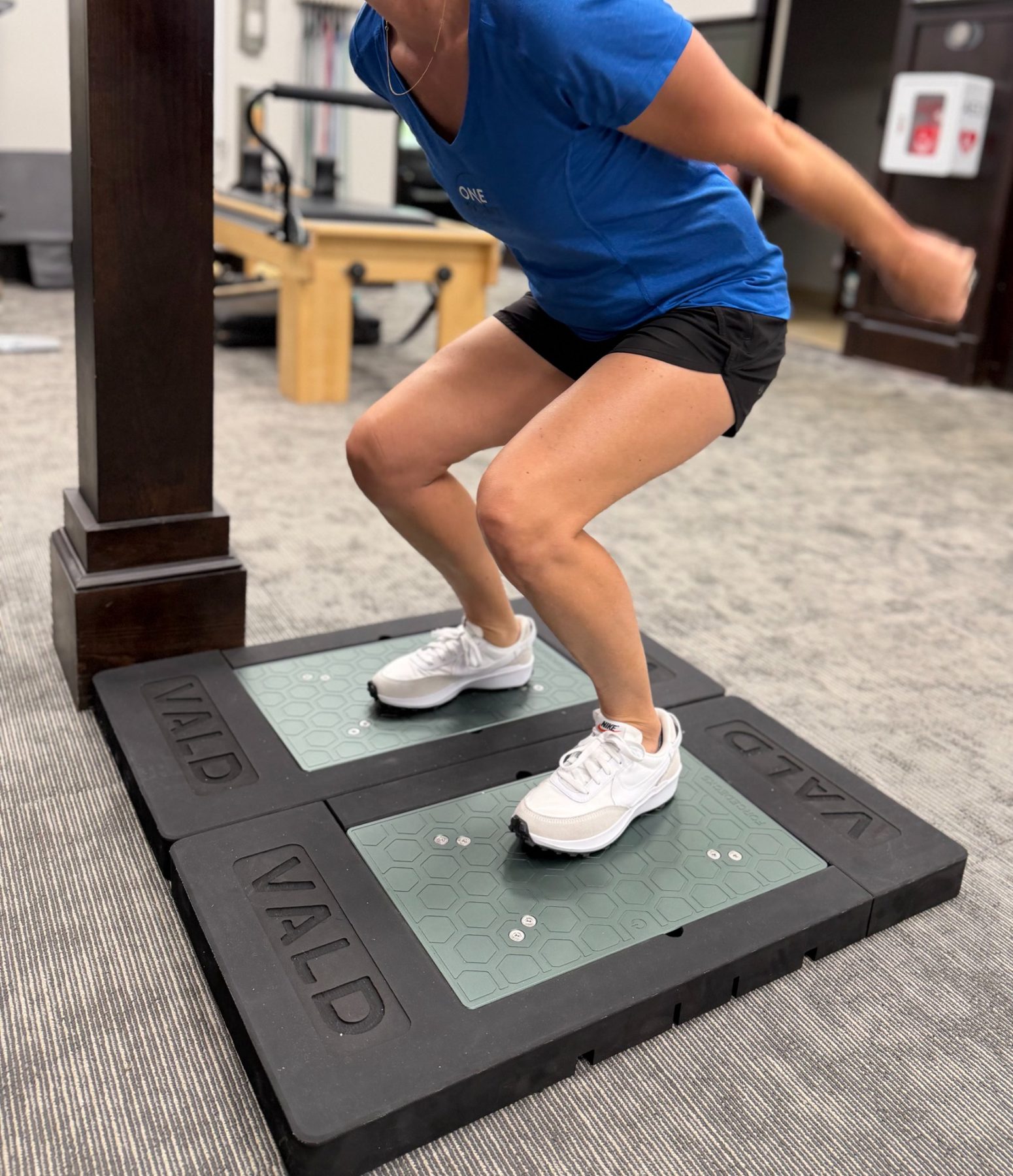
Edgewood/Candler ParkForce and performance testing can help quantify asymmetries, force production, and progress during later-stage rehabilitation.
 Edgewood/Candler Park
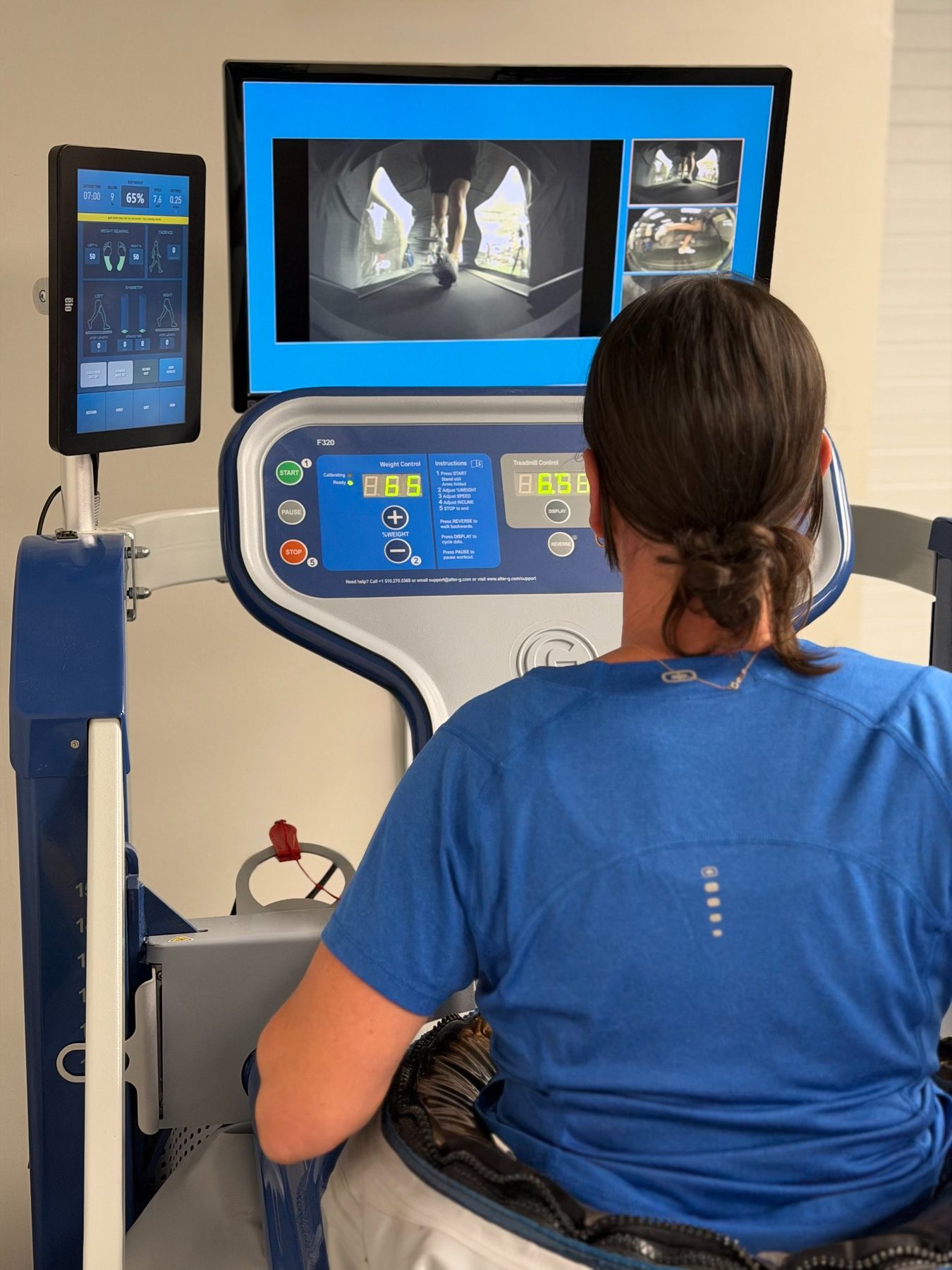
Reduced-body-weight running can help reintroduce running mechanics while controlling load during selected stages of recovery.
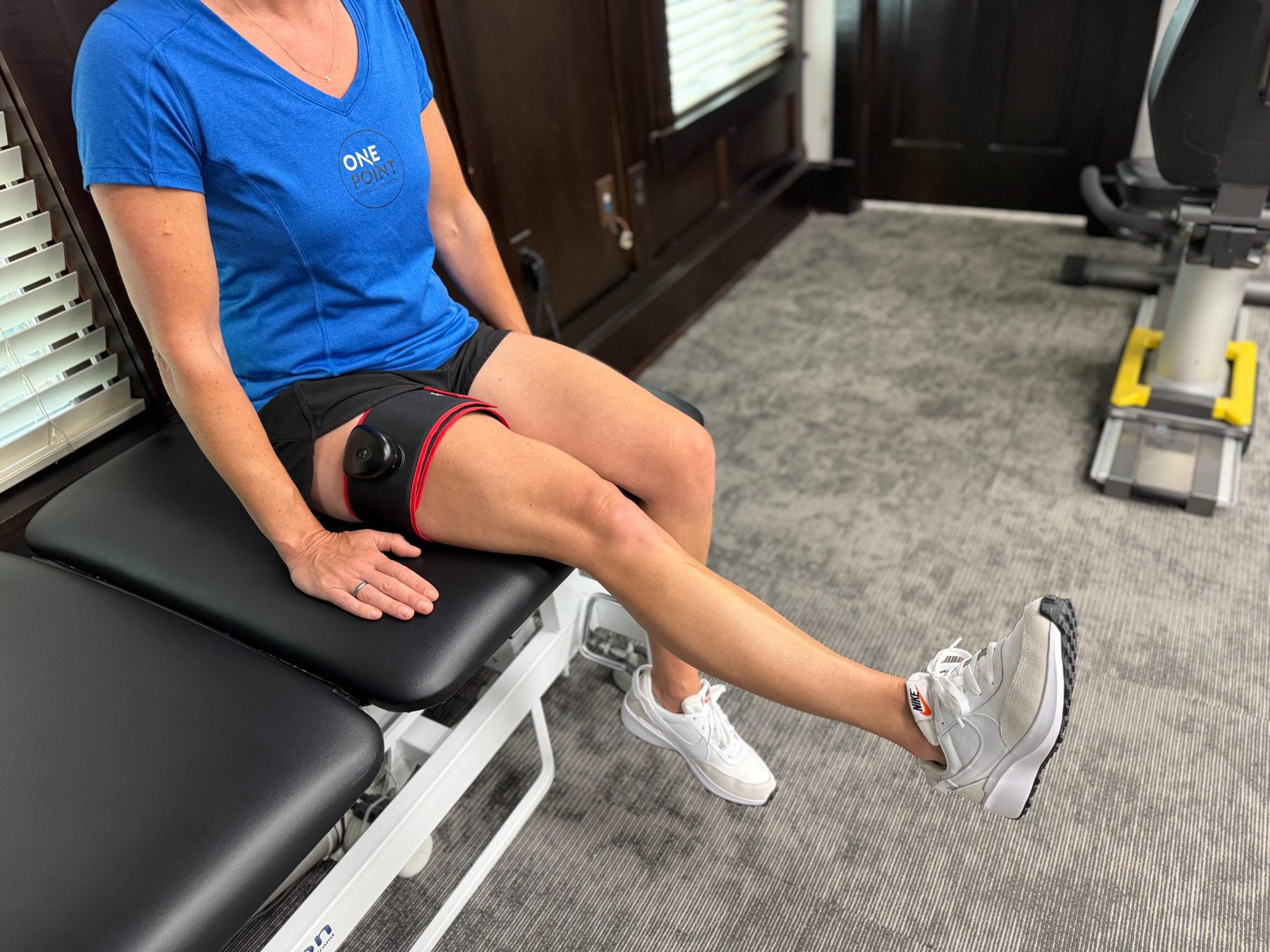
Both LocationsBFR can support strengthening with lower external loads when clinically appropriate, especially during phases when heavier loading is not yet ideal.
Force plates and dynamometry provide objective information about strength, force production, and side-to-side differences during rehabilitation.
Return-to-sport decisions should consider strength, movement quality, workload tolerance, symptoms, confidence, sport demands, and the athlete’s overall progression.
Many athletes reach a point where daily activities feel normal well before they have rebuilt the strength, power, conditioning, and confidence required for competition. Later-stage rehabilitation helps close that gap.
Our goal is to progressively prepare the athlete for the demands they will actually face — sprinting, jumping, landing, cutting, fatigue, contact, and the unpredictable nature of sport.
Running without compensation, restoring side-to-side strength, improving single-leg power, tolerating repeated jumping and landing, changing direction confidently, and returning to practice and competition with a structured progression.
We work with recreational athletes, youth athletes, high-school and collegiate athletes, and active adults whose goals extend beyond basic day-to-day function.
Progressive rehabilitation that considers growth, training history, sport demands, and the athlete’s confidence returning to practice and competition.
Higher-level strength, power, conditioning, and testing designed around the demands of the athlete’s sport and competitive environment.
For patients whose goals may include running, skiing, tennis, pickleball, recreational leagues, or simply returning to a high level of physical activity.
Several members of our orthopedic team have backgrounds in competitive athletics, strength and conditioning, or advanced orthopedic specialization.
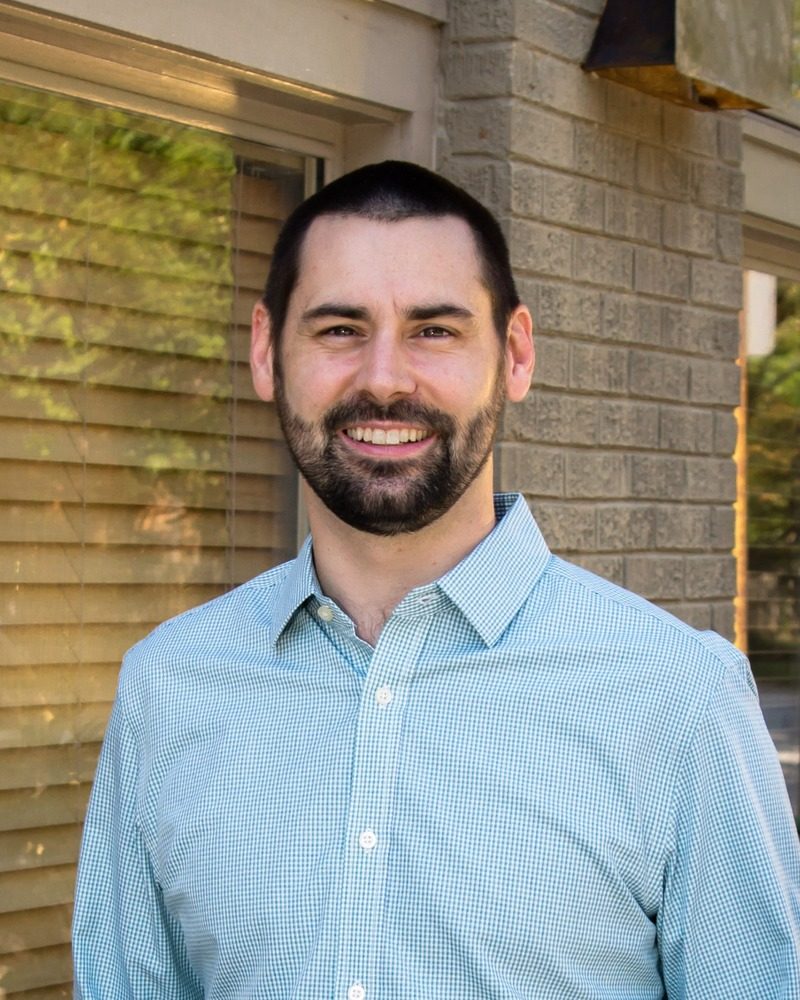
Virginia-Highland • Orthopedics • Sports Rehabilitation
Board Certified Orthopedic Clinical Specialist, Certified Strength and Conditioning Specialist, and former professional baseball player with a special interest in athletes and return to performance.
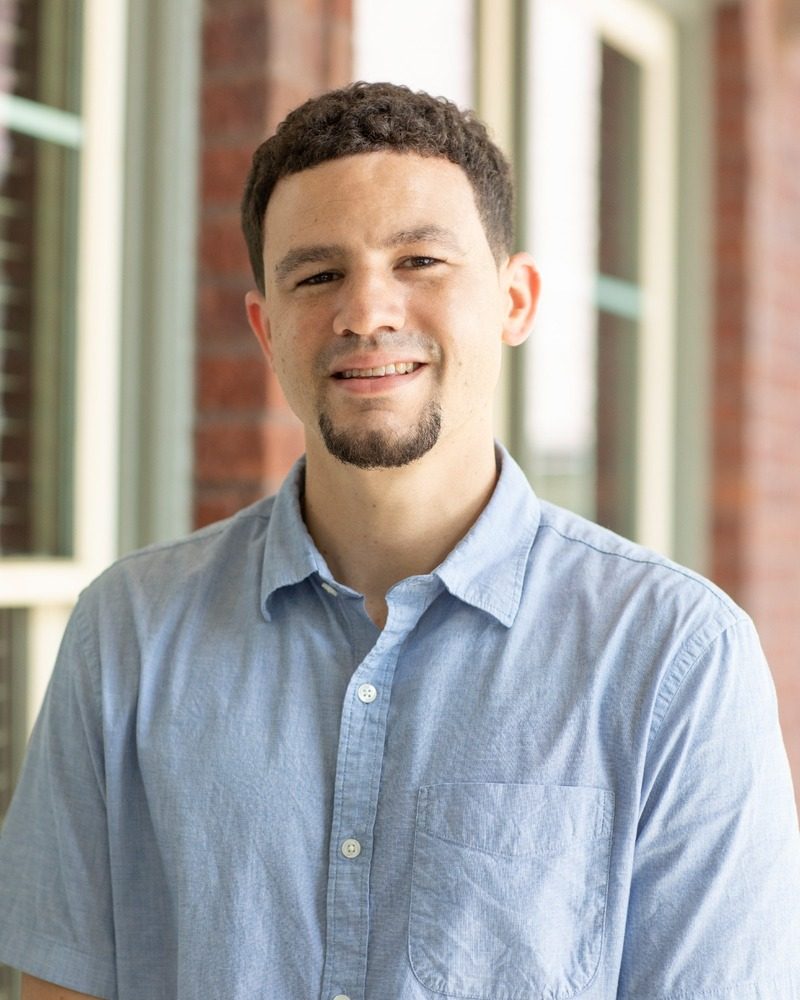
Edgewood/Candler Park • Orthopedics • Sports Rehabilitation
Board Certified Orthopedic Clinical Specialist and former collegiate basketball player with interests in sports rehabilitation and athletic performance.
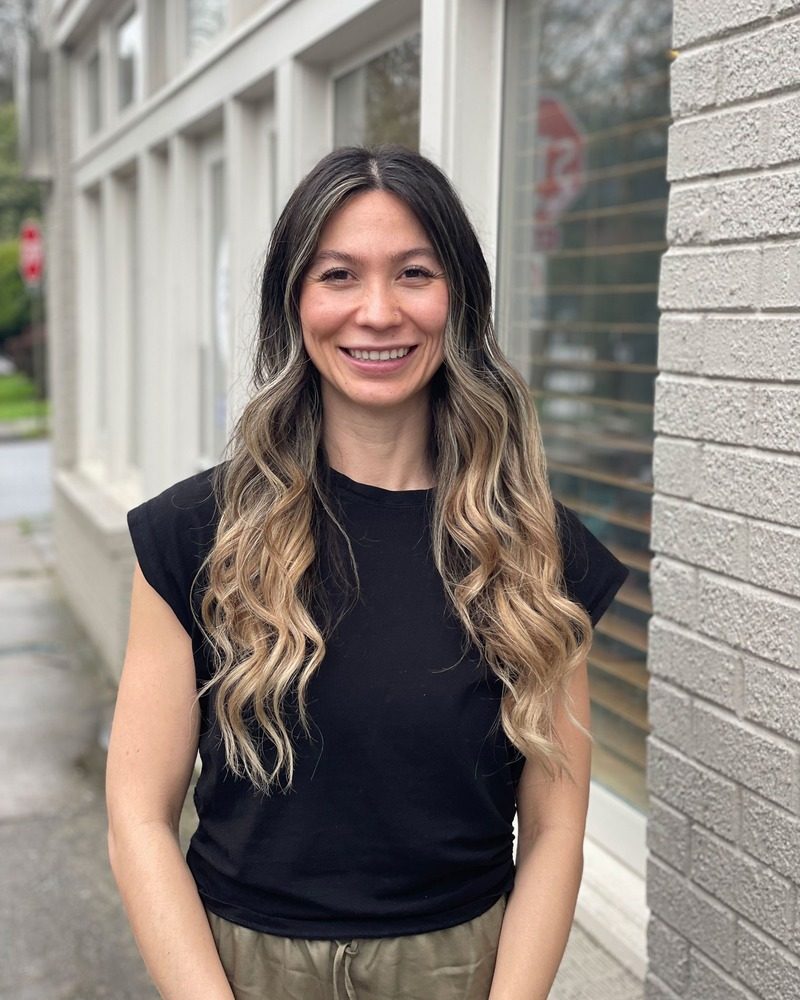
Virginia-Highland • Orthopedics • Athletic Performance
Former Division I soccer player with advanced dry needling and mobility training and a special interest in return to play.
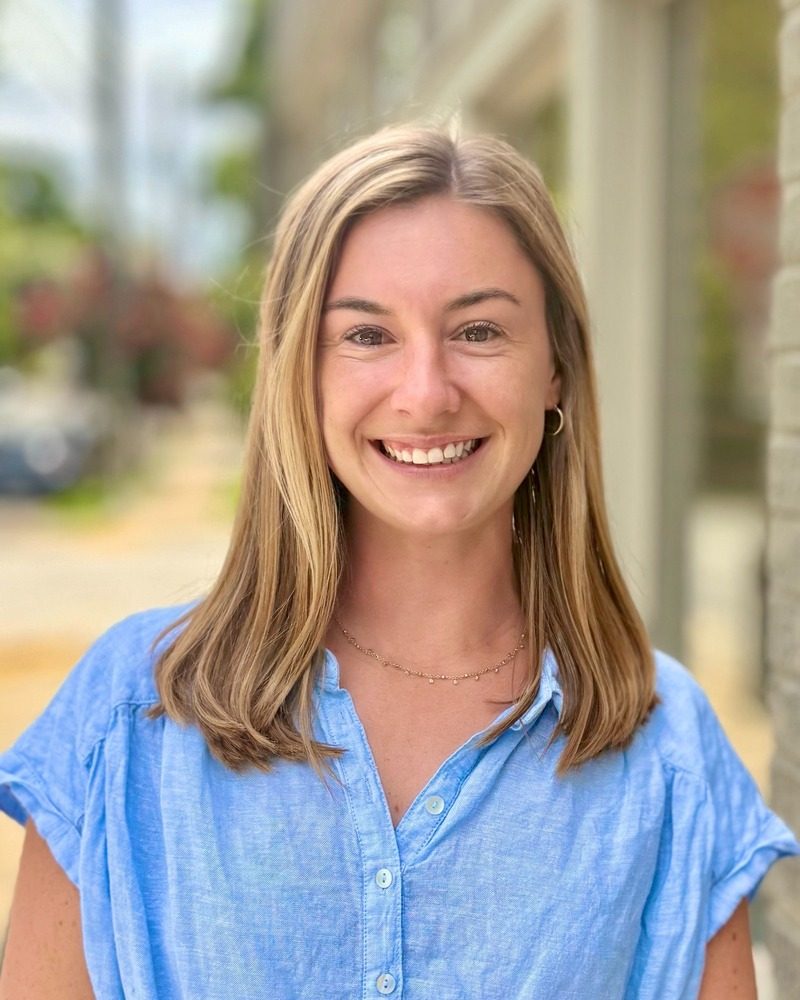
Virginia-Highland • Sports Rehabilitation • Youth Athletes
Former NCAA Division I tennis player with a special interest in sports rehabilitation, youth athletes, and post-surgical recovery.
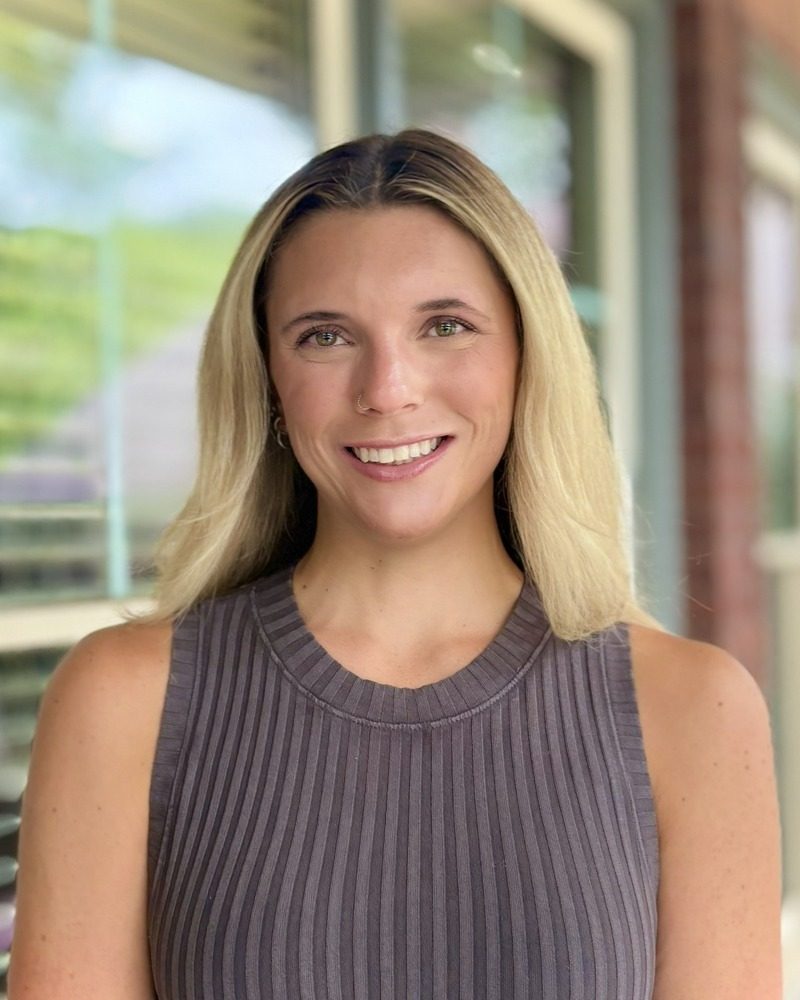
Edgewood/Candler Park • Sports Rehabilitation
Works with athletes across ages and brings a movement and performance background through dance.
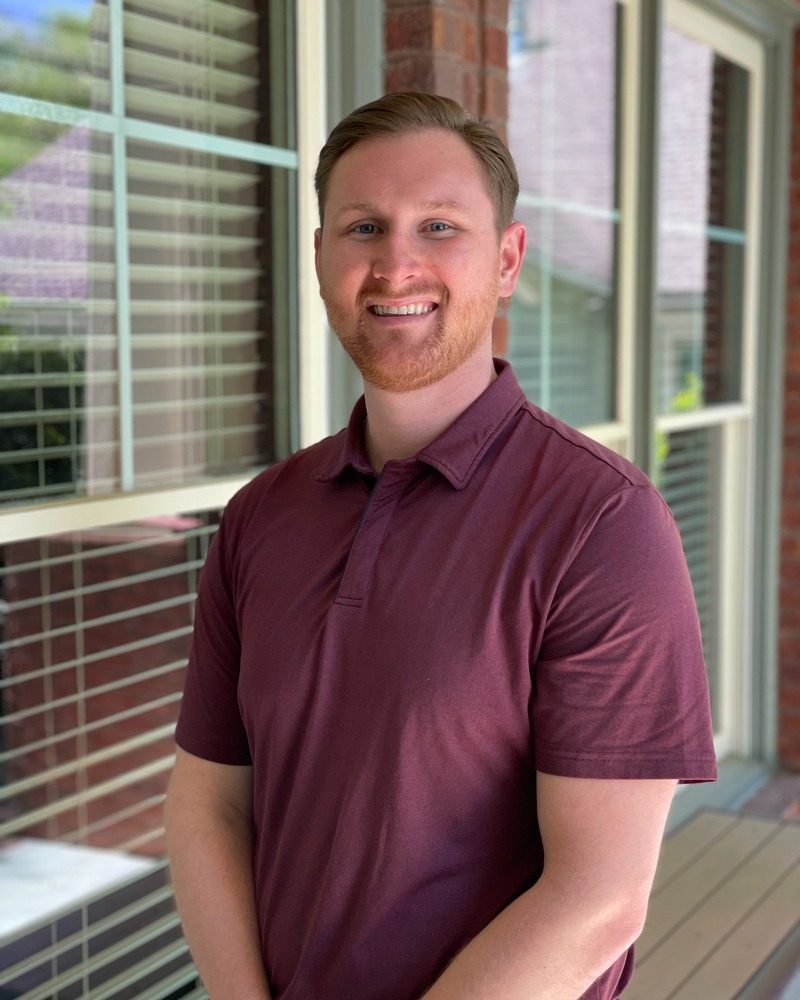
Edgewood/Candler Park • Sports Rehabilitation
Former collegiate soccer player and USA Weightlifting coach with interests in sports injuries, strength development, and rehabilitative performance.
ACL and sports rehabilitation are available at both OnePoint locations. Certain testing tools are location-specific.
867 Greenwood Ave NE
1328 DeKalb Ave NE
There is not one universal date. Higher-level running, jumping, cutting, and sport-specific work are introduced progressively as healing, strength, symptoms, movement quality, and overall readiness allow.
Yes. Objective strength and performance testing can be part of the return-to-sport process, along with clinical findings, movement quality, workload tolerance, confidence, and sport-specific demands.
Yes. ACL and sports rehabilitation are available at both Virginia-Highland and Edgewood/Candler Park. The specific testing equipment differs by location.
No. We work with athletes at many levels as well as active adults whose goals include running, skiing, recreational sports, and returning to demanding physical activity.
Our new-patient team can help connect you with the right clinician and clinic based on your goals, location, and scheduling needs.
Select option 1 for a new-patient appointment at either OnePoint location.
Email newpatient@onepointpt.comPlease do not include sensitive medical information in email or website contact forms.