Reduce pain sensitivity
Dry needling may help reduce pain or tenderness in selected muscles and tissues as part of a larger treatment plan.
Dry needling is one of OnePoint’s most frequently used treatment tools for orthopedic patients. When clinically appropriate, it can help address pain, muscle-related symptoms, and mobility restrictions while supporting a broader plan focused on movement, strength, and function.
Dry needling uses a thin filiform needle inserted into targeted muscle or soft-tissue areas based on the therapist’s examination and clinical reasoning. The goal is to influence pain, muscle tone, mobility, or movement tolerance when the technique is appropriate for the patient.
Dry needling may help reduce pain or tenderness in selected muscles and tissues as part of a larger treatment plan.
For some patients, dry needling may help improve tolerance for movement or address muscle-related restrictions that limit activity.
The most important gains usually come from what follows: progressive exercise, strengthening, movement retraining, and a plan for returning to meaningful activity.
Dry needling is not appropriate for every patient or every condition. Your therapist determines whether it fits the findings from your evaluation and whether it is likely to complement the rest of your care.
At OnePoint, we do not use dry needling in isolation when broader rehabilitation needs are present. It is typically paired with active treatment so changes in pain or mobility can be translated into better strength, movement, and function.
Your therapist will explain why dry needling is being recommended, what area is being treated, and what you may feel during or after the procedure.
Some patients feel brief muscle twitching, aching, or soreness during or after treatment. Your therapist may then use movement or exercise to reinforce the desired change.
Temporary soreness can occur. Your therapist will give you guidance on activity, exercise, and what to expect based on your individual response.
All OnePoint orthopedic physical therapists are trained and licensed to perform dry needling. Dry needling is available at both clinic locations when clinically appropriate.
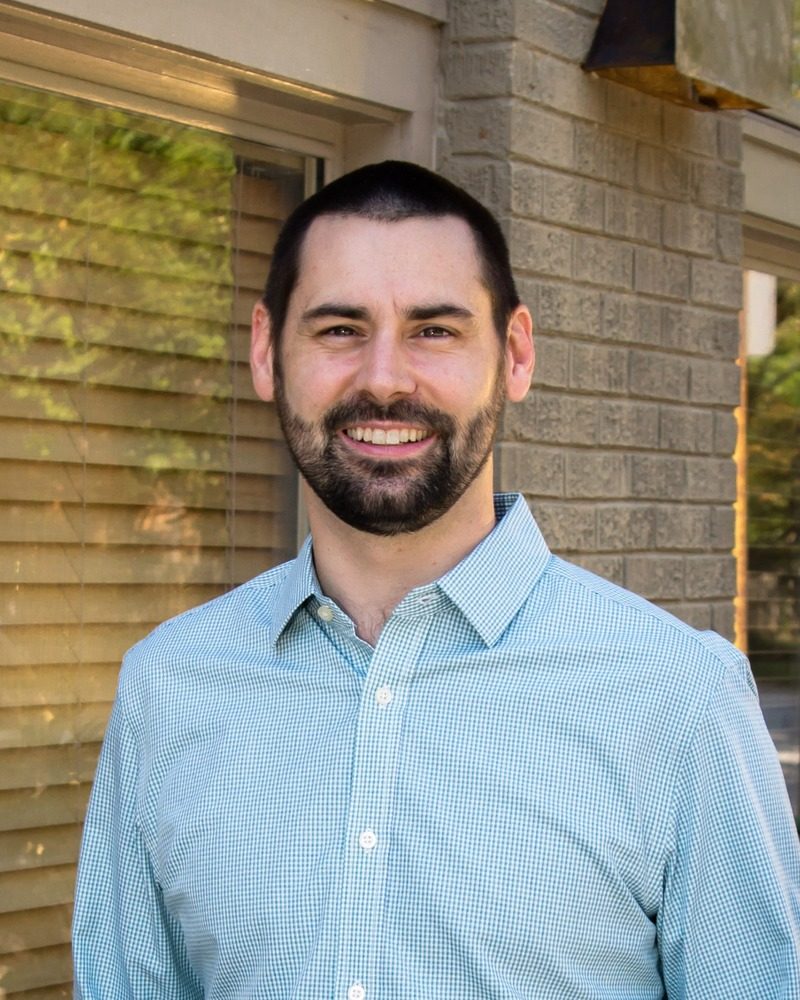
Virginia-Highland • Owner • Orthopedics
Board Certified Orthopedic Clinical Specialist and Certified Strength and Conditioning Specialist with advanced spinal manipulation and dry needling training.
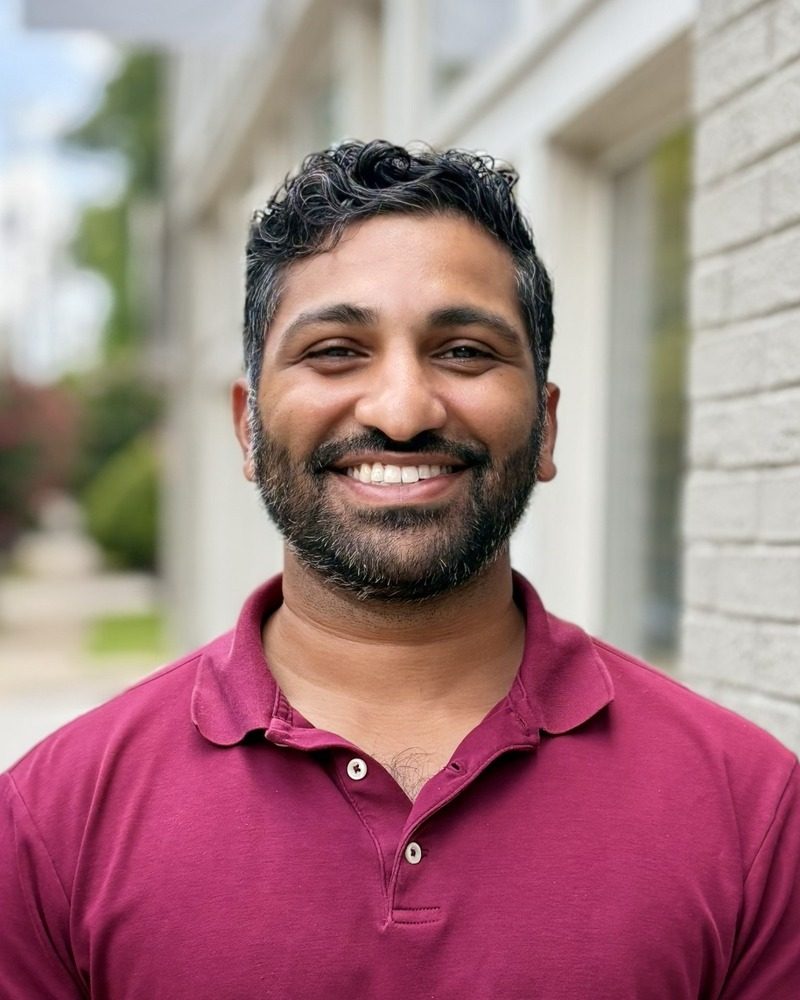
Virginia-Highland • Clinic Manager • Orthopedics
Treats a broad range of musculoskeletal conditions and has advanced dry needling training.
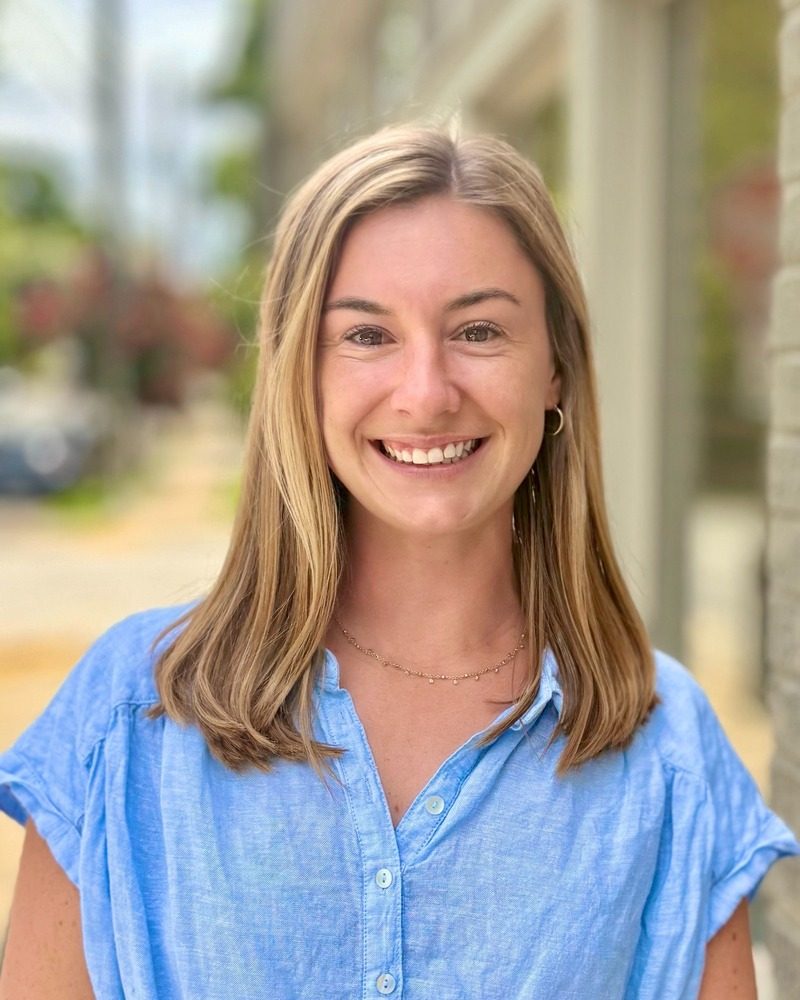
Virginia-Highland • Orthopedics • Sports Rehabilitation
Orthopedic physical therapist with a sports and post-surgical rehabilitation background and training in dry needling.
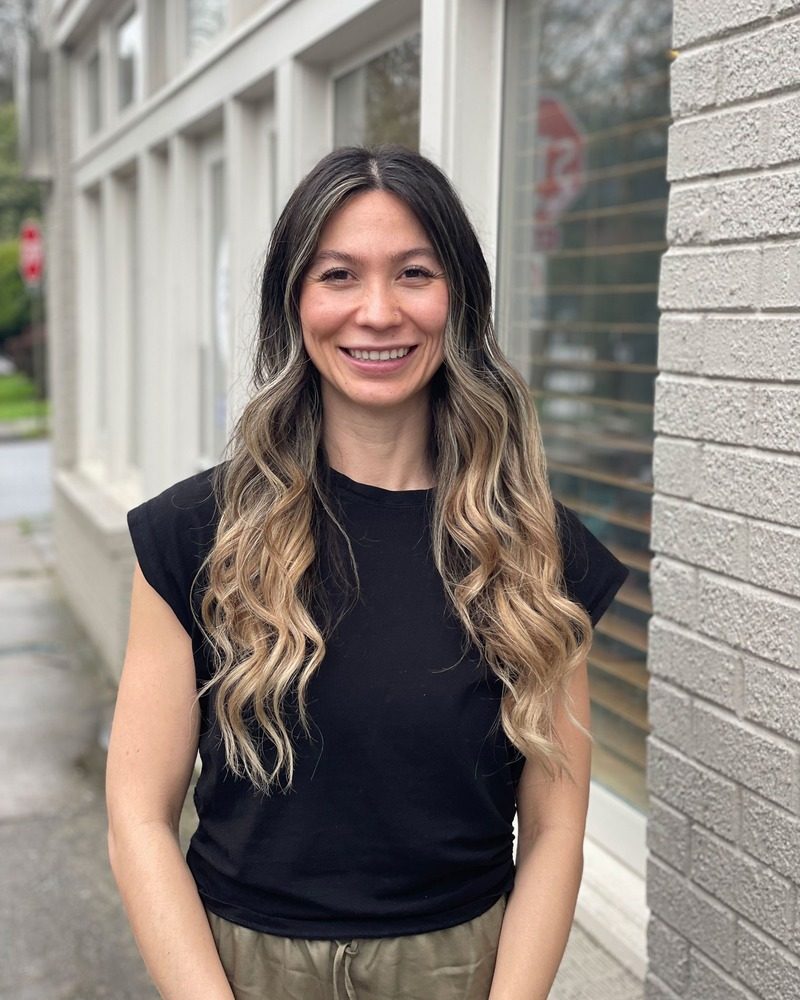
Virginia-Highland • Orthopedics
Orthopedic physical therapist with advanced dry needling and mobility/joint-control training.
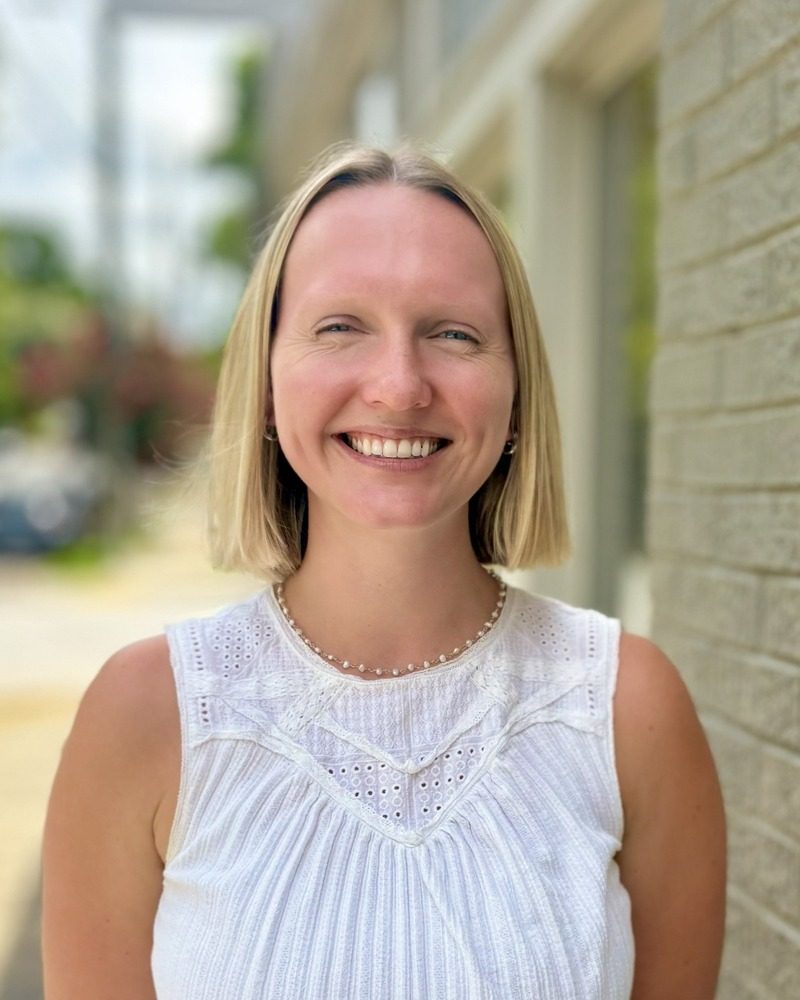
Virginia-Highland • Orthopedics
Orthopedic physical therapist trained in dry needling, with additional advanced training in pelvic floor rehabilitation.
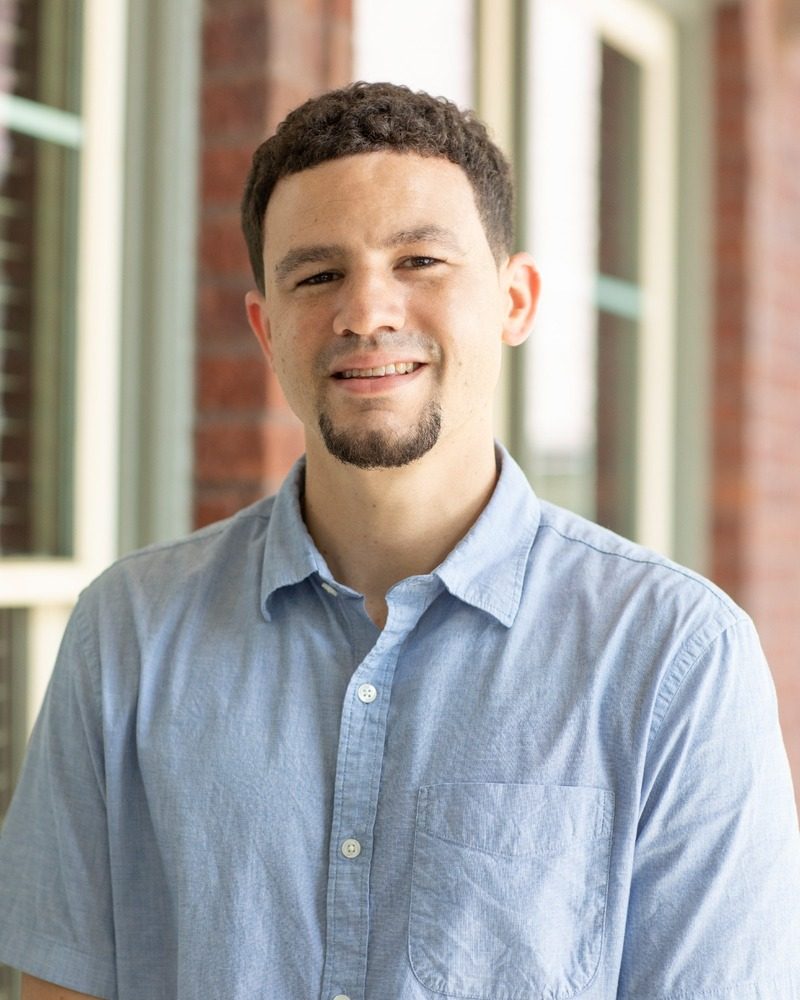
Edgewood/Candler Park • Clinic Manager • Orthopedics
Board Certified Orthopedic Clinical Specialist with advanced spinal manipulation and dry needling training.
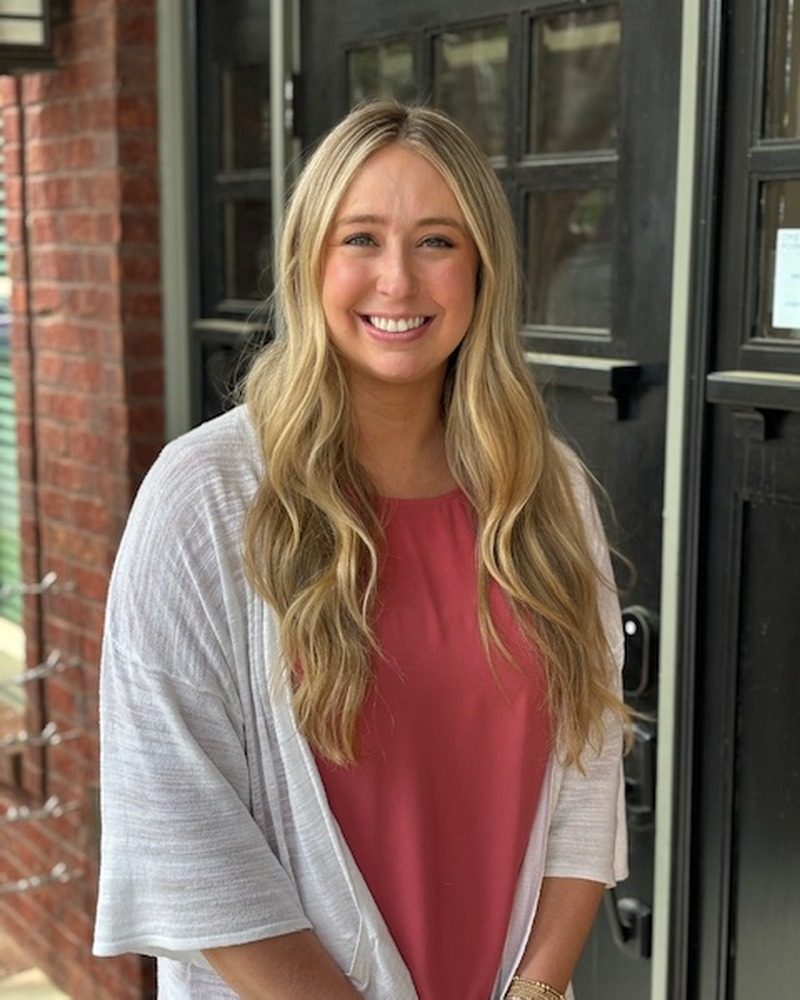
Edgewood/Candler Park • Orthopedics
Orthopedic physical therapist with advanced dry needling training.
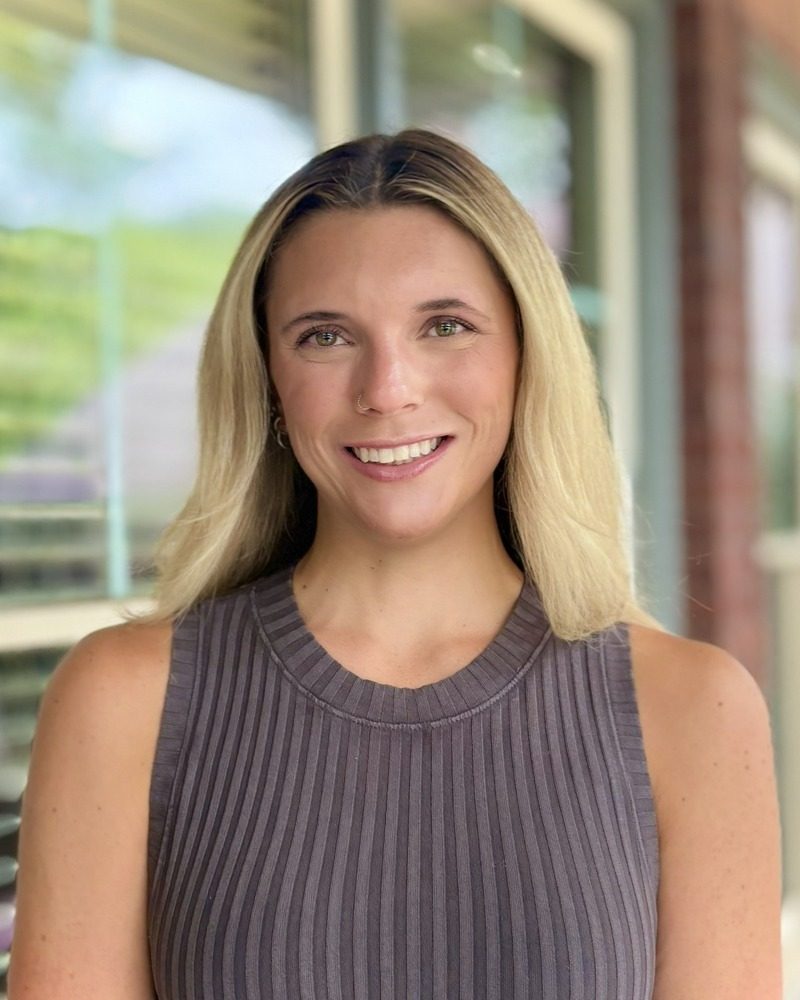
Edgewood/Candler Park • Orthopedics • Sports Rehabilitation
Orthopedic physical therapist trained in dry needling who works with athletes and patients across age groups.
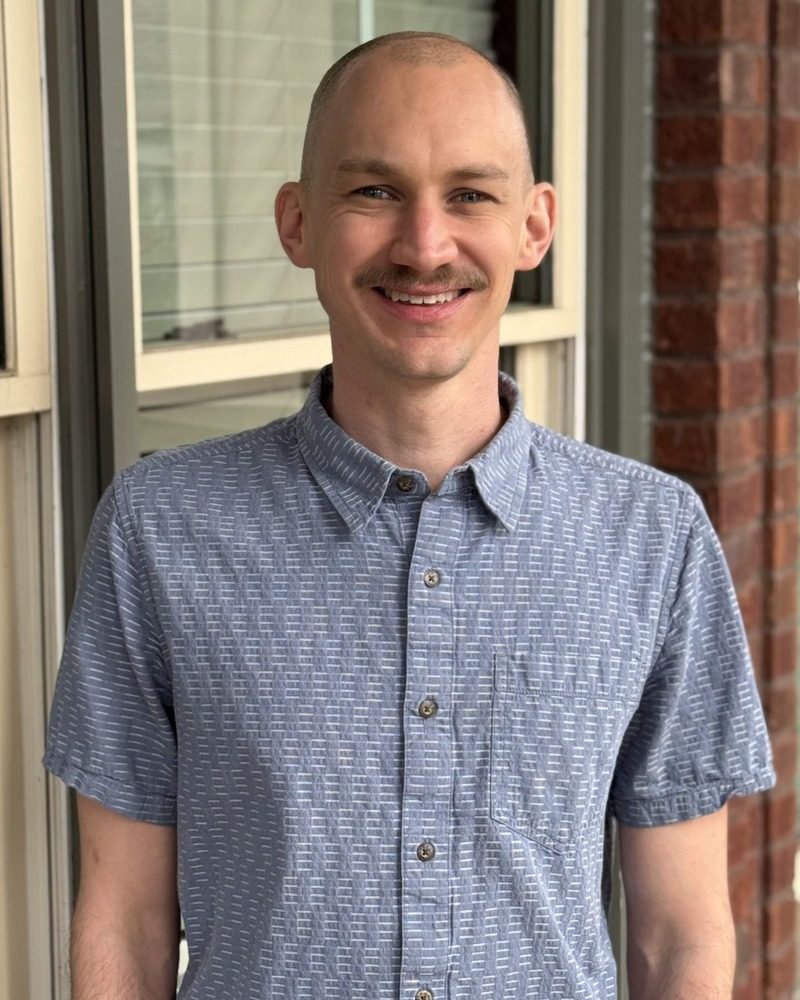
Edgewood/Candler Park • Orthopedics
Orthopedic physical therapist trained in dry needling with a focus on movement, function, and evidence-based rehabilitation.
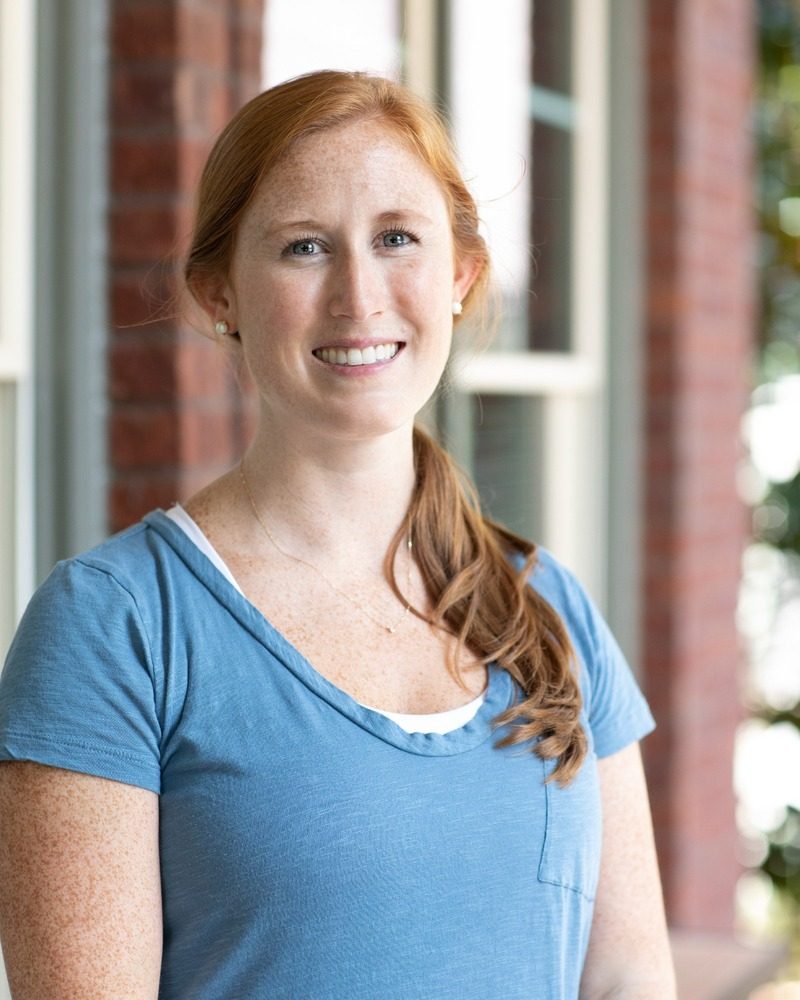
Edgewood/Candler Park • Orthopedics
Board Certified Orthopedic Clinical Specialist with advanced spinal manipulation and dry needling training.
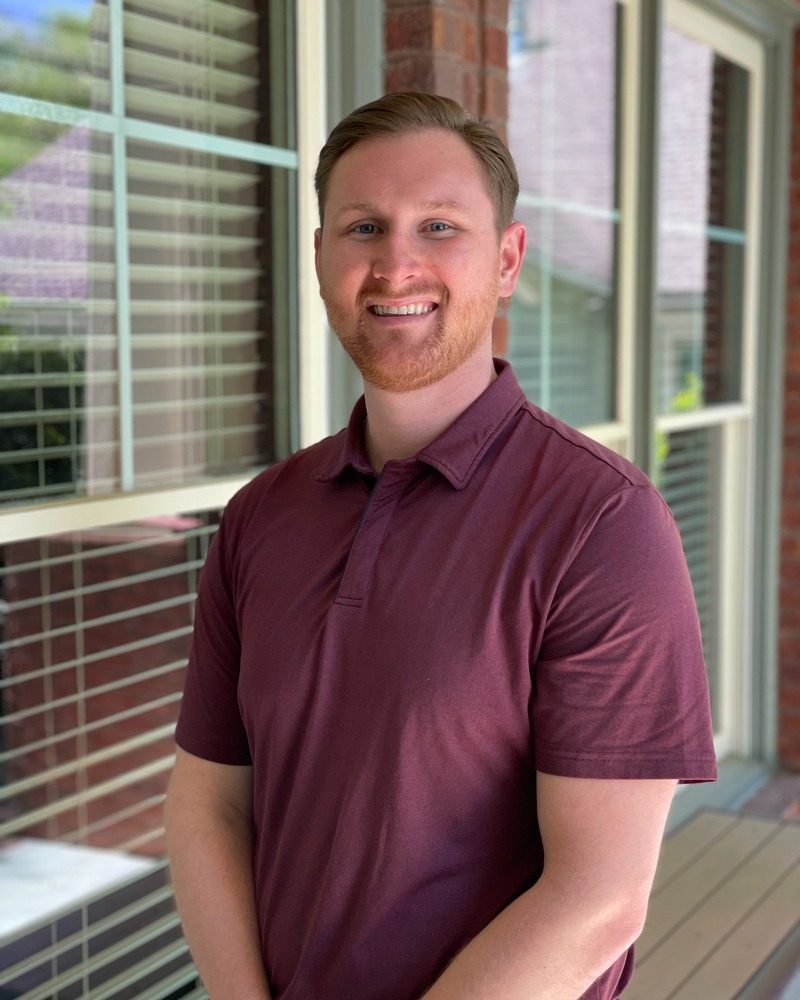
Edgewood/Candler Park • Orthopedics • Sports Rehabilitation
Orthopedic physical therapist with advanced dry needling and spinal manipulation training and a strong sports-rehabilitation background.
When dry needling improves pain or movement tolerance, the next step is to use that window to move better, load appropriately, and build strength.
Reduce pain or sensitivity enough to help improve movement tolerance when dry needling is appropriate.
Use mobility, motor-control, and exercise strategies to reinforce changes and address contributing movement limitations.
Progressively strengthen and expose the body to the demands needed for work, exercise, recreation, or sport.
All OnePoint orthopedic therapists are trained and licensed to perform dry needling. Your therapist will determine whether it is appropriate for your condition and plan of care.
867 Greenwood Ave NE, Atlanta, GA 30306
1328 DeKalb Ave NE, Atlanta, GA 30307
No. Dry needling is used by physical therapists within a musculoskeletal rehabilitation framework, while acupuncture is a distinct healthcare practice with different training and treatment models.
Some patients feel little discomfort, while others notice a brief twitch, ache, or soreness. Your therapist will explain what to expect and adjust treatment based on your response.
Usually not. At OnePoint, dry needling is typically used as one component of a broader plan that includes exercise, strengthening, movement retraining, education, and return-to-activity progression.
No. Your therapist will review your history, condition, and treatment goals to determine whether dry needling is appropriate and discuss alternatives when it is not.
Our new-patient team can connect you with an orthopedic clinician and location based on your condition, goals, and scheduling needs.
Select option 1 for a new-patient appointment at either OnePoint location.
Email newpatient@onepointpt.comPlease do not include sensitive medical information in email or website contact forms.