Improve comfort with movement
Manual techniques may help reduce pain or sensitivity enough to make movement and exercise more tolerable.
Manual therapy may be used when clinically appropriate to help address pain, mobility restrictions, or movement limitations. At OnePoint, hands-on treatment is paired with active rehabilitation so short-term changes can support long-term progress.
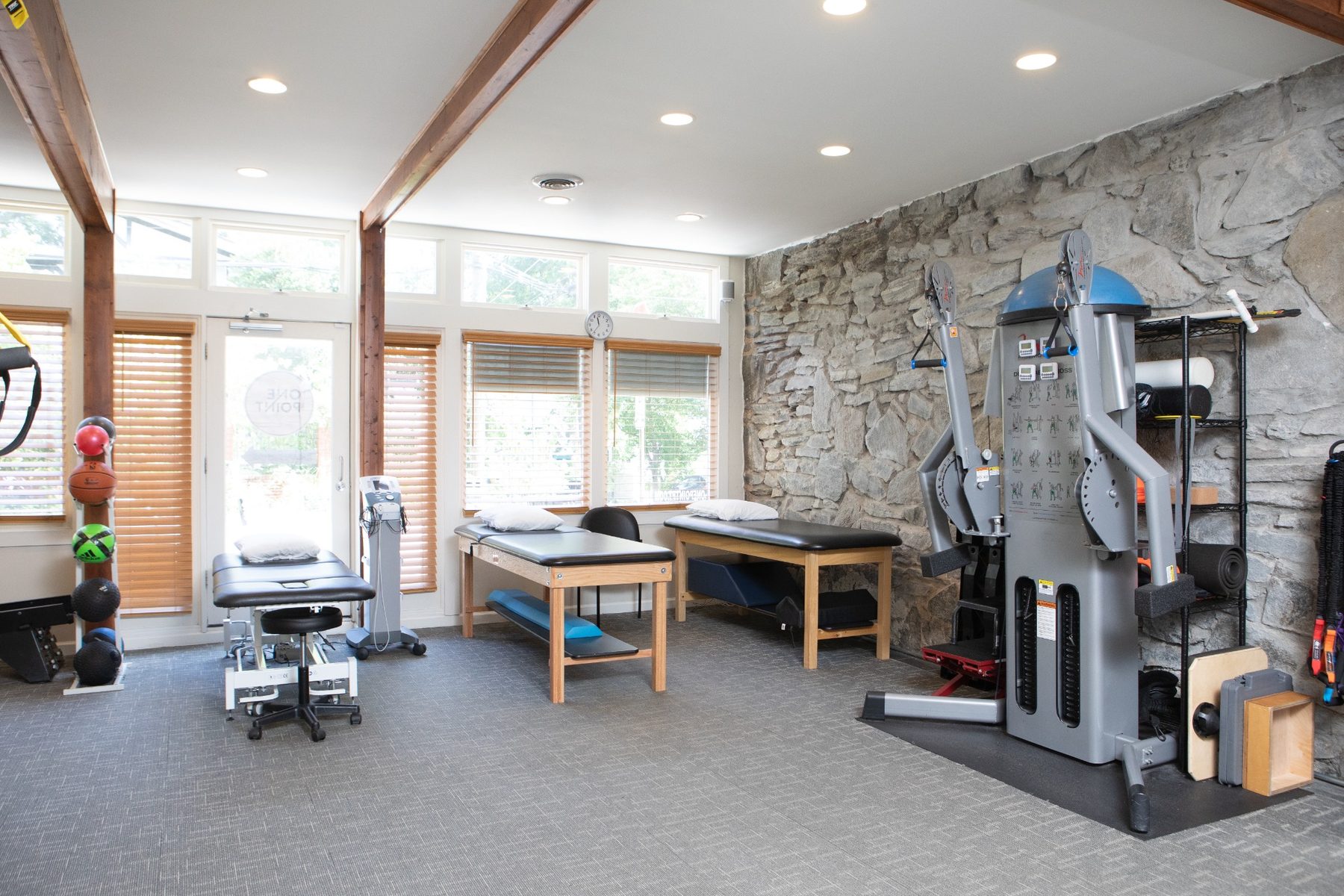
Hands-on treatment can be useful for some patients, but our goal is not to make you dependent on passive care. We use manual therapy when it helps improve movement or symptom tolerance, then build on those changes with exercise, strengthening, education, and return-to-activity progression.
Manual techniques may help reduce pain or sensitivity enough to make movement and exercise more tolerable.
Joint or soft-tissue techniques may be used when mobility restrictions are contributing to a functional problem.
Any short-term improvement should be followed by movement and strengthening that helps the change carry over into daily activity.
The techniques used depend on the examination findings, diagnosis, goals, and how the patient responds.
There is no single manual-therapy technique that is best for every diagnosis. Your therapist selects treatment based on the findings from your evaluation and how the technique fits into the larger rehabilitation plan.
Manual therapy can create a temporary change in pain, mobility, or movement tolerance. The more important step is using that change to move better, strengthen, and gradually tolerate the activities that matter to you.
That is why our clinicians commonly pair hands-on treatment with mobility exercises, motor-control work, progressive resistance, and functional movement.
Hands-on treatment → reassess movement → reinforce the change with exercise → progressively build strength and load tolerance → return to meaningful activity.
Whether it is appropriate depends on the patient and the findings from the evaluation rather than simply the diagnosis.
Hands-on care may be used alongside exercise and education when mobility or pain is limiting movement.
Joint and soft-tissue techniques may support restoration of motion and comfortable strengthening when appropriate.
Manual therapy may support mobility and symptom management while progressive loading restores strength and function.
Selected techniques may be used as healing allows to address mobility restrictions and support progressive rehabilitation.
Hands-on treatment may be one component of a broader plan to restore movement and return athletes to higher-level loading.
Manual therapy may help with short-term symptom management while active strategies address capacity, confidence, and function.
Our orthopedic clinicians use manual therapy selectively as part of evidence-based rehabilitation. Several have advanced training in spinal manipulation and related techniques.
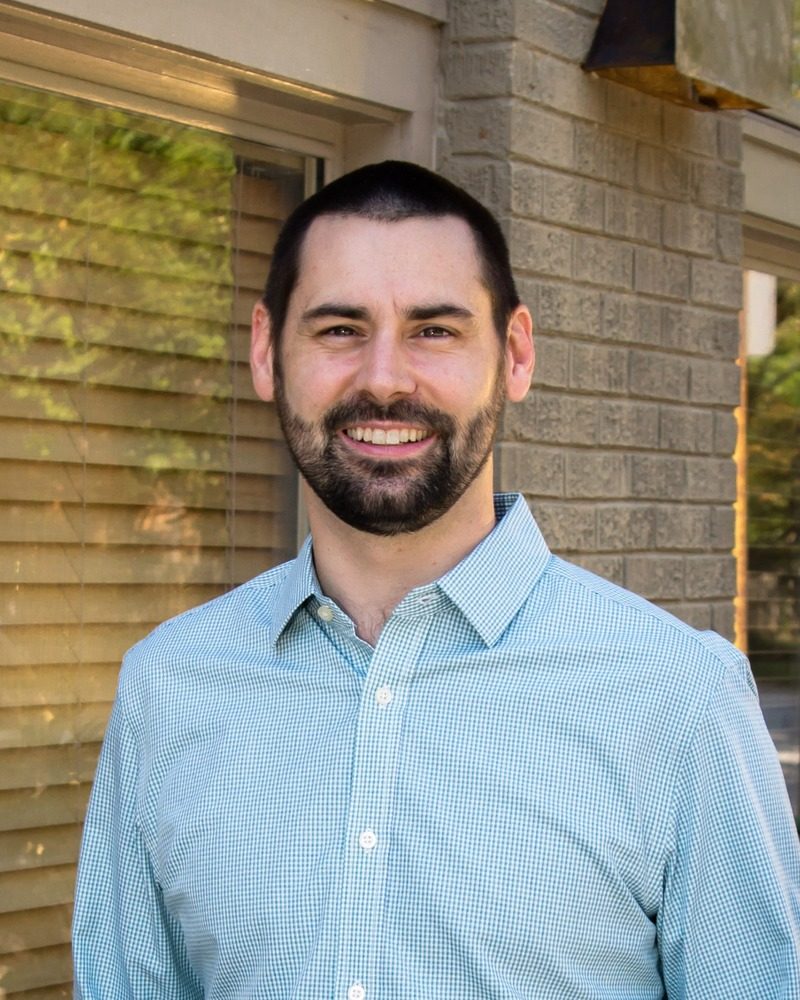
Virginia-Highland • Orthopedics
Board Certified Orthopedic Clinical Specialist with advanced spinal manipulation and dry needling training.
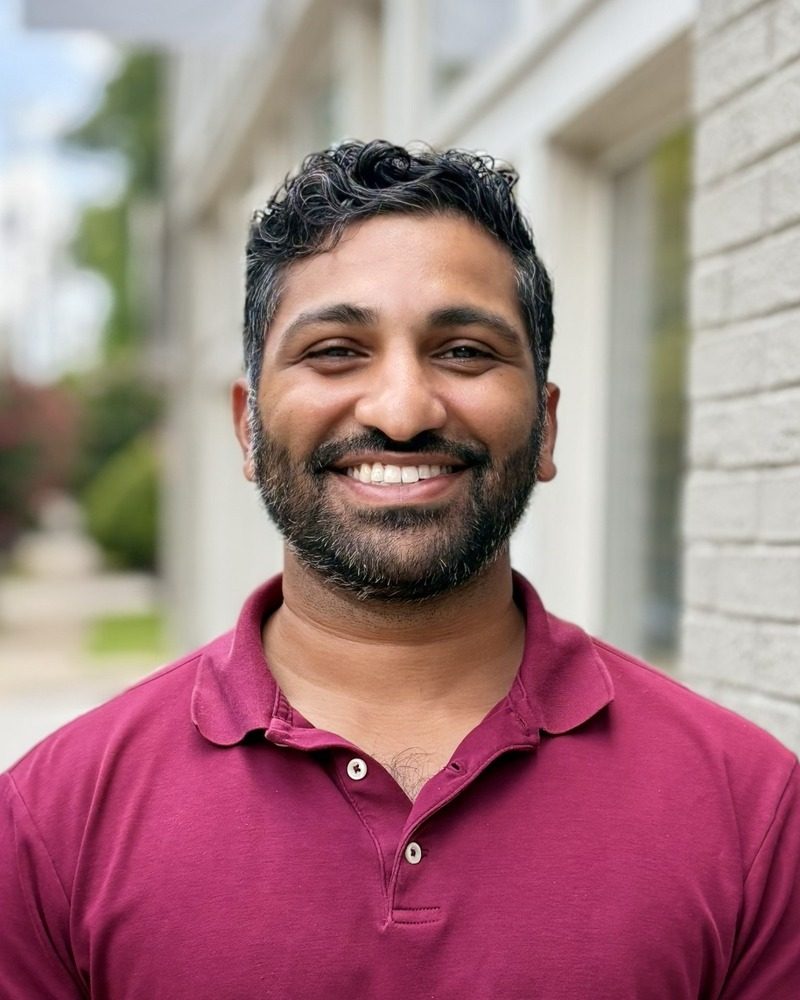
Virginia-Highland • Clinic Manager • Orthopedics
Treats varied musculoskeletal conditions with an evidence-based approach that may include manual therapy when appropriate.
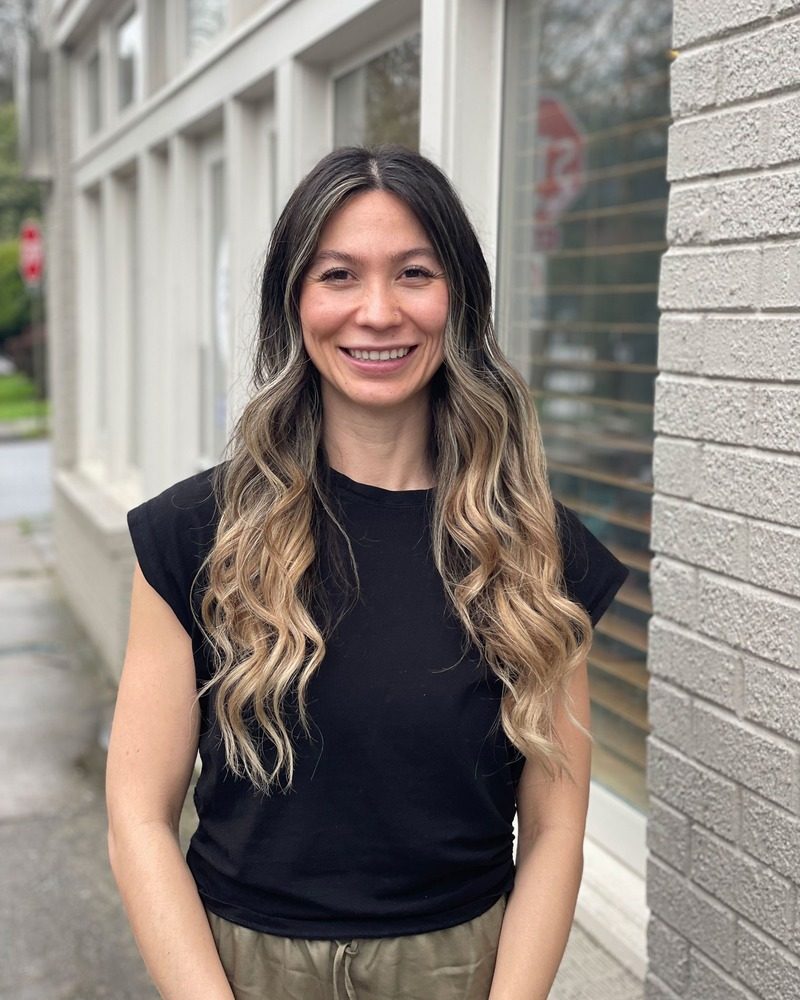
Virginia-Highland • Orthopedics
Has advanced mobility and joint-control training along with dry needling experience.
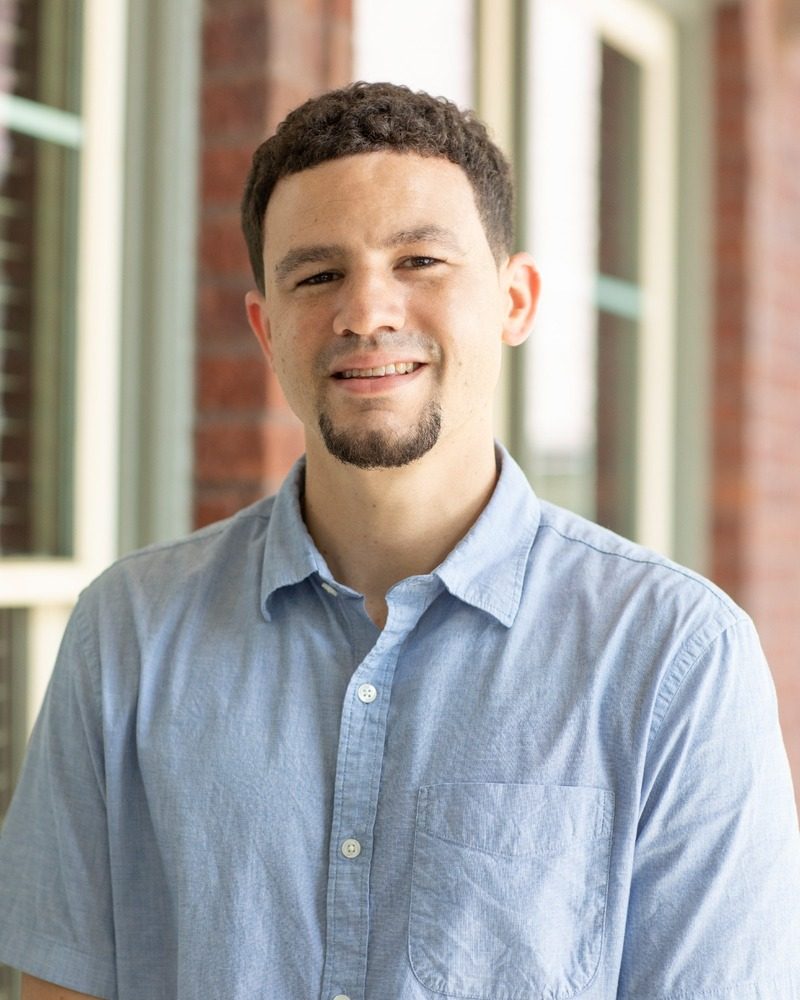
Edgewood/Candler Park • Clinic Manager • Orthopedics
Board Certified Orthopedic Clinical Specialist with advanced spinal manipulation and dry needling training.
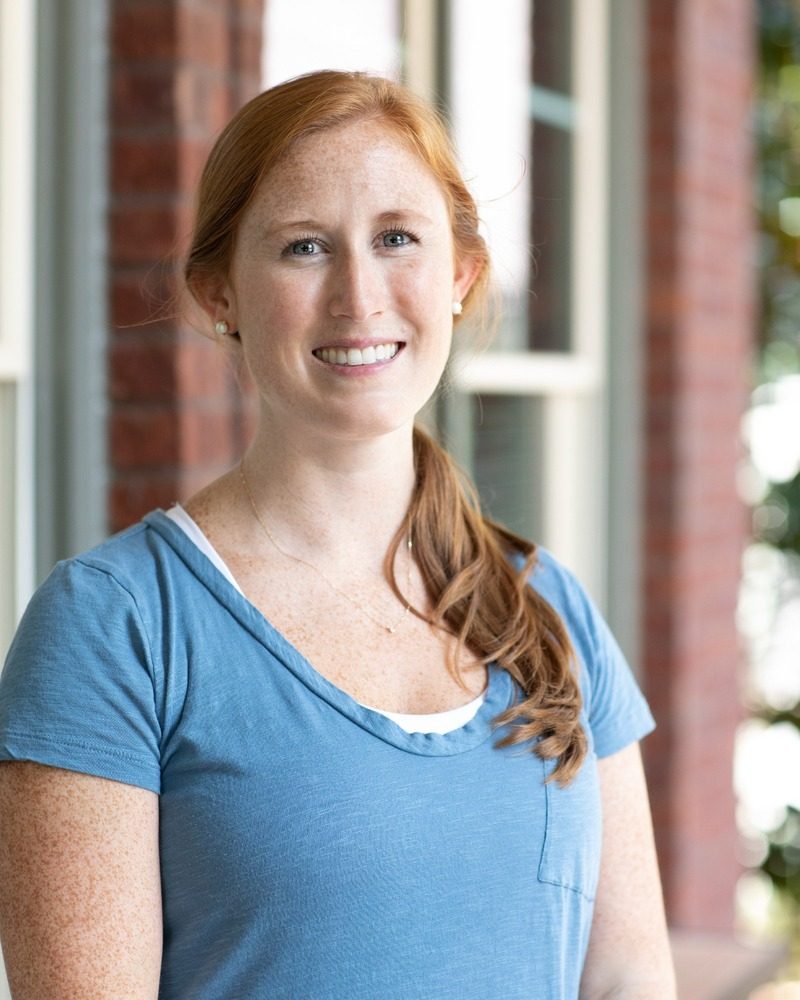
Edgewood/Candler Park • Orthopedics
Board Certified Orthopedic Clinical Specialist with advanced spinal manipulation and dry needling training.
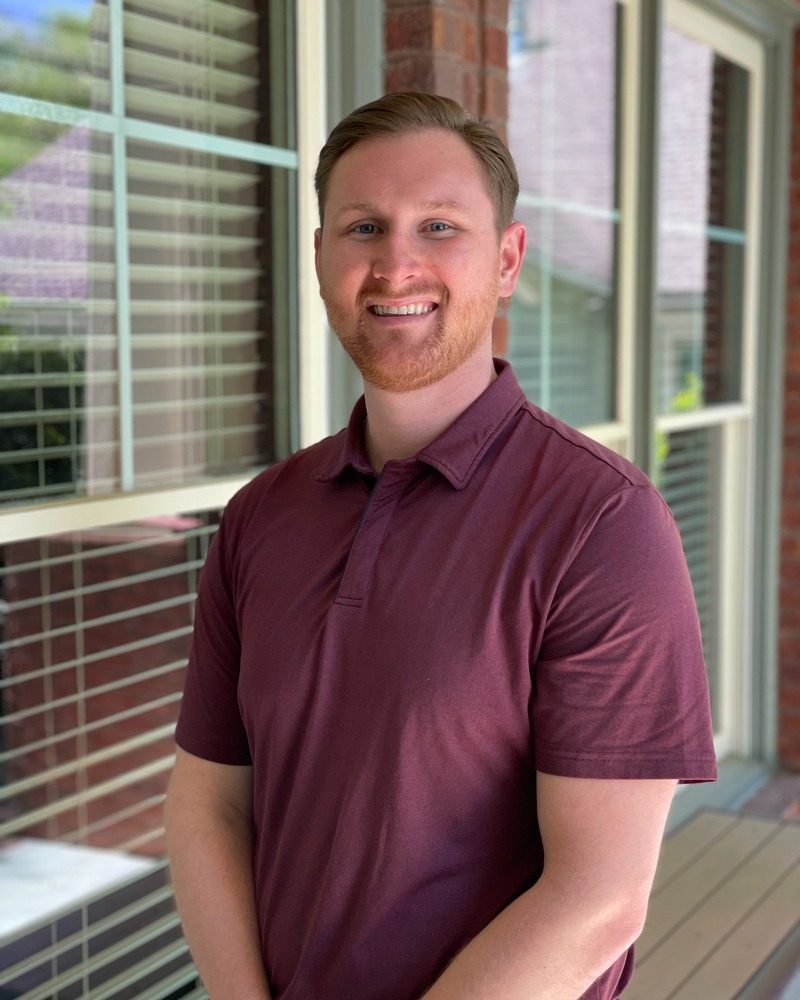
Edgewood/Candler Park • Orthopedics
Has advanced training in spinal manipulation and dry needling with a strong orthopedic and sports-rehabilitation background.
Availability and the specific techniques used depend on the clinician, the patient’s needs, and whether hands-on treatment is appropriate for the plan of care.
867 Greenwood Ave NE, Atlanta, GA 30306
1328 DeKalb Ave NE, Atlanta, GA 30307
Manual therapy refers to hands-on techniques used by physical therapists to address joint mobility, soft-tissue restrictions, pain, and movement limitations as part of a rehabilitation plan.
Not necessarily. Some techniques involve soft tissue, but physical-therapy manual treatment can also include joint mobilization, manipulation, movement-assisted techniques, and other targeted interventions based on the evaluation.
No. Whether manual therapy is used depends on your presentation and goals. As rehabilitation progresses, the emphasis often shifts more toward exercise, strength, and independent movement.
Some OnePoint clinicians have advanced spinal-manipulation training and may use it when clinically appropriate and with patient consent.
Our new-patient team can connect you with an appropriate clinician and location based on your condition, goals, and scheduling needs.
Select option 1 for a new-patient appointment at either OnePoint location.
Email newpatient@onepointpt.comPlease do not include sensitive medical information in email or website contact forms.